

Guinea pigs often drink more due to diet, heat, stress, or underlying illness.
If you keep asking why do my guinea pigs drink so much water, you’re not alone. I’ve coached many owners through this question, and I’ve tracked my own herd’s intake for years.
In this guide, I explain what counts as normal, what can push intake higher, and when to call your vet. You will learn clear steps to measure, troubleshoot, and support healthy hydration.
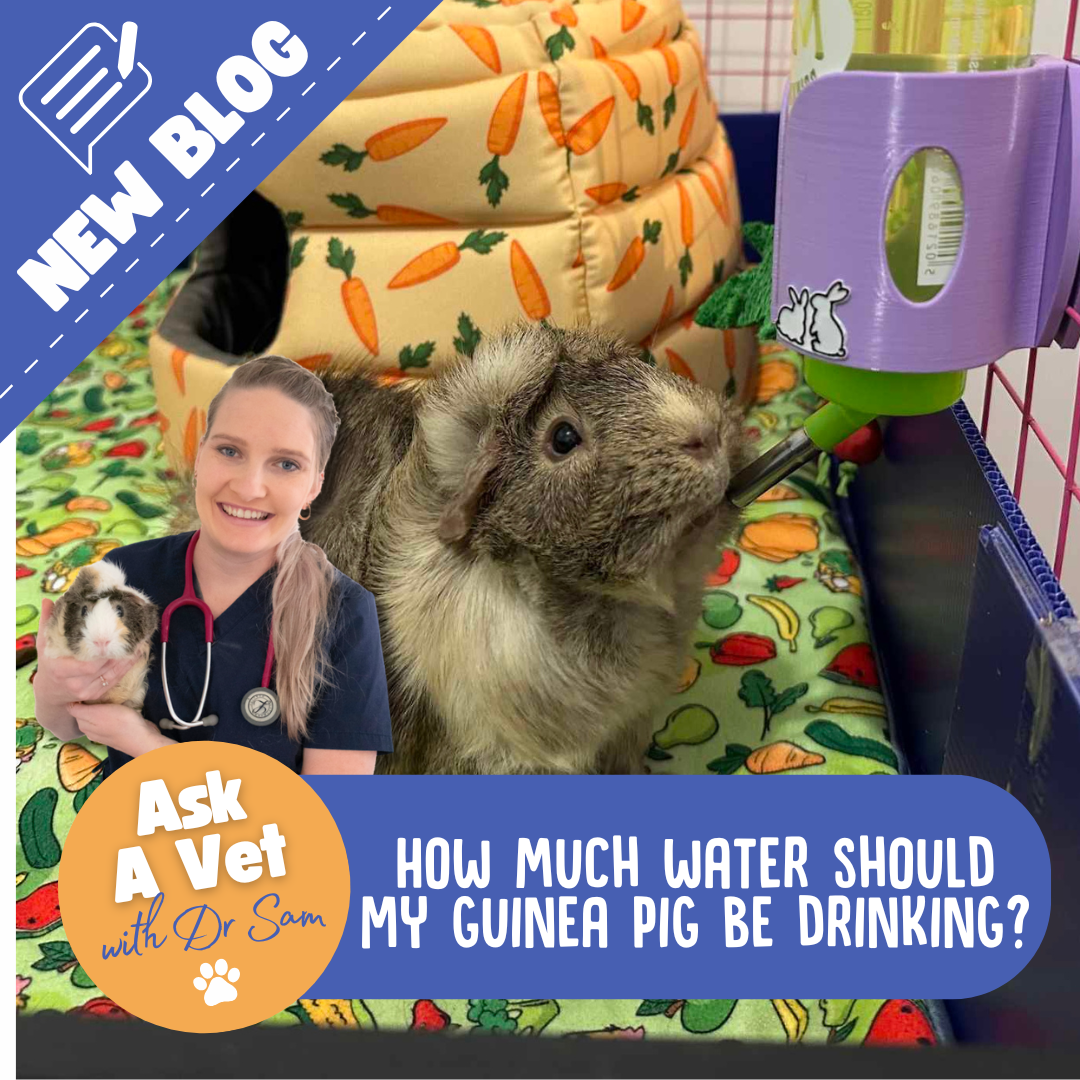
What counts as normal water intake for guinea pigs?
Most adult guinea pigs drink 50–120 mL per kilogram of body weight per day. A 900-gram guinea pig might drink 45–110 mL. The number can change a lot with diet, weather, and life stage.
Wet vegetables lower bottle use because the water comes from food. Dry diets push bottle use up. This is why tracking only the bottle can mislead you when you ask why do my guinea pigs drink so much water.
Key points to set a baseline:
- Weigh your guinea pig weekly on the same scale.
- Track water for at least seven days, including veggie amounts.
- Watch patterns, not single days.

Harmless reasons your guinea pigs may drink more
Sometimes the answer to why do my guinea pigs drink so much water is simple. Many spikes are normal and short lived.
Common benign reasons:
- Warmer room or dry air: Heat and low humidity increase thirst.
- More exercise and play: Active cavies sip more.
- Diet shift: Fewer wet veggies or more dry pellets push intake up.
- Growth, pregnancy, lactation: Bodies need more fluid to build and produce milk.
- New water bottle or nozzle: Easier flow can look like a jump in use.
- Minor bottle leaks: A tiny drip can mimic heavy drinking.
A quick story from my own herd: a switch to a new sipper ball doubled “intake” overnight. The towel under the bottle was damp. The fix was a new washer, not a vet visit.

Health-related causes that need attention
If you keep wondering why do my guinea pigs drink so much water and the change is big and steady, look for health issues. Excess drinking often follows excess urination.
Possible medical causes:
- Urinary tract infection: Frequent, painful peeing, pink urine, strong odor.
- Kidney problems: More urine, weight loss, dull coat, slow appetite.
- Diabetes mellitus: More thirst and urine, weight loss despite eating.
- Pain or fever: Body water shifts can increase thirst.
- Medication effects: Steroids and diuretics increase urine and thirst.
Patterns that raise concern:
- More than 150 mL per kilogram per day for three or more days.
- Weight loss, lethargy, or changes in urine color.
- A new, strong ammonia smell.
Veterinary literature supports using a mix of history, exam, urinalysis, and blood tests to sort these causes. Early checks lead to better outcomes.
How to measure water intake the right way?
Good data answers why do my guinea pigs drink so much water faster and more accurately. It also helps your vet.
Simple steps:
- Mark the bottle at the water line every morning.
- Weigh the bottle on a kitchen scale before and after 24 hours.
- Use a drip tray or paper towel under the nozzle to spot leaks.
- Log veggie types and amounts in cups or grams.
- Record room temperature and humidity once a day.
How to calculate:
- Daily intake (mL) ÷ body weight (kg) = mL/kg/day.
- Compare over a week. Look for steady changes, not single spikes.

Diet, hay, and vegetables: how food shapes thirst
Food choice often explains why do my guinea pigs drink so much water. Dry food drives thirst. Wet food reduces bottle use.
Practical tips:
- Base diet on unlimited grass hay. It supports gut health and steady hydration.
- Offer 1 cup per pig per day of fresh vegetables. Favor bell pepper, romaine, cucumber, cilantro, and small amounts of carrot tops.
- Limit pellets to about 1/8 cup per adult pig per day. Pellets are dry and salty compared with fresh greens.
- Avoid salt wheels and seed mixes. Extra sodium triggers thirst and can stress kidneys.
- Introduce changes slowly over 7–10 days to avoid gut upset.
From my logs, a switch from mostly pellets to hay plus greens cut bottle use by about 30% without any drop in weight or energy.

Environment: temperature, humidity, and housing
Heat and dry air make cavies drink more. This can be the whole answer to why do my guinea pigs drink so much water in the summer or during indoor heating season.
Set the habitat:
- Keep temperature near 65–75°F (18–24°C).
- Maintain humidity around 40–70%.
- Place cages out of direct sun and away from heat vents.
- Offer shade and good airflow without drafts.
- Provide two bottles per cage to ensure access and reduce competition.
Bottle setup matters:
- Position nozzles at chin height.
- Check for algae and biofilm; clean daily with hot water and a brush.
- Replace worn gaskets to stop slow leaks.
Behavior and stress can increase sipping
Stress can look like thirst. A change in routine can lead to more sipper visits, which fuels the question why do my guinea pigs drink so much water.
Common triggers:
- New cage mate or loss of a companion.
- Loud noise or frequent handling by new people.
- Boredom and lack of hiding places.
Easy fixes:
- Add hideouts and chew toys.
- Keep a steady routine for feeding and cleaning.
- Offer floor time in a safe pen for exercise and enrichment.
I’ve seen new pairings double sipper visits for a week. Once the social order settled, use returned to baseline.
What to do right now: a step-by-step checklist
If you notice a sudden jump and wonder why do my guinea pigs drink so much water, follow this short plan.
Action plan:
- Check for bottle leaks with a paper towel under the nozzle.
- Weigh your guinea pig and note body condition.
- Log water use for seven days with a scale.
- Record veggies, pellets, and hay use.
- Note room temperature and humidity.
- Look for signs of pain, blood, odor, or straining in urine.
- Remove salt licks and high-salt treats.
- Offer two clean bottles and fresh water daily.
- Call your vet if high use persists or if there are any red flags.

When to see a vet and what to expect?
See a vet if the question why do my guinea pigs drink so much water persists after basic fixes. Bring your logbook and any photos of urine or stools.
Call sooner if you see:
- More than 150 mL/kg/day for three to five days.
- Weight loss, lethargy, or reduced appetite.
- Blood in urine, strong odor, or straining.
Typical tests:
- Physical exam and dental check.
- Urinalysis and urine culture.
- Blood work to assess kidneys and glucose.
- Imaging such as ultrasound if needed.
Care may include antibiotics for UTI, diet changes, fluids, or other targeted treatments based on results.
Prevention and best practices for steady hydration
Preventive care reduces how often you ask why do my guinea pigs drink so much water. Small daily habits add up.
Best practices:
- Clean bottles daily; deep clean weekly with a bottle brush.
- Provide two bottles per cage to reduce crowding.
- Feed a hay-first diet and steady veggie mix.
- Keep the habitat in a safe temperature and humidity range.
- Track weight weekly. It is your early warning system.
- Reassess pellets and remove salt wheels.
These steps support natural thirst, stable urine output, and good kidney and bladder health.
Frequently Asked Questions of why do my guinea pigs drink so much water
Is there a simple number that means “too much” water?
As a rough guide, more than 150 mL per kilogram per day for several days is high. Look at this alongside weight, urine changes, and behavior.
Can vegetables replace the water bottle?
No. Vegetables help hydration but cannot replace a clean water source. Always keep at least one bottle available at all times.
My pig drinks a lot after switching pellets. Is that normal?
Yes, dry or salty pellets can boost thirst. Try reducing pellets, increasing hay, and offering steady veggie portions.
Could diabetes be the reason why do my guinea pigs drink so much water?
It is possible but not common. Only your vet can confirm with blood and urine tests.
Do water additives or vitamin drops help?
Avoid adding drops to water. They can change taste, cut intake, and degrade fast. Provide vitamin C from fresh foods or a measured supplement instead.
What bottle size and type are best?
A 12–16 oz bottle works for most cages, with a metal sipper tube. Use two bottles for pairs to prevent guarding and ensure access.
How fast should I change the diet if thirst is high?
Make changes over 7–10 days. Slow steps protect the gut and make your logs easier to read.
Conclusion
Most spikes in drinking trace back to heat, dry diets, or stress. True excess thirst can also signal illness, so pairing daily logs with a quick health check is the smartest path. Use the steps here to measure, adjust, and decide when to call your vet.
Start today: mark the bottle, weigh your pig, and write down what you see for a week. If numbers stay high or red flags appear, book a visit and bring your data. Want more cavy care guides like this? Subscribe and share your question in the comments.