

Guinea pigs squeak during back rubs from pleasure, surprise, discomfort, or communication cues.
If you wonder why do guinea pigs squeak when you rub their back, you are not alone. I work with small pets every day, and I’ve seen many reasons behind this tiny sound.
In this guide, we unpack behavior, body language, and health signs so you can read your piggie like a pro and handle back rubs with care and confidence.

Understanding guinea pig sounds and body language
Guinea pigs talk with sound and posture. A squeak can mean joy, alarm, or a firm “not now.” The same sound can shift with context. That is why reading the whole picture matters.
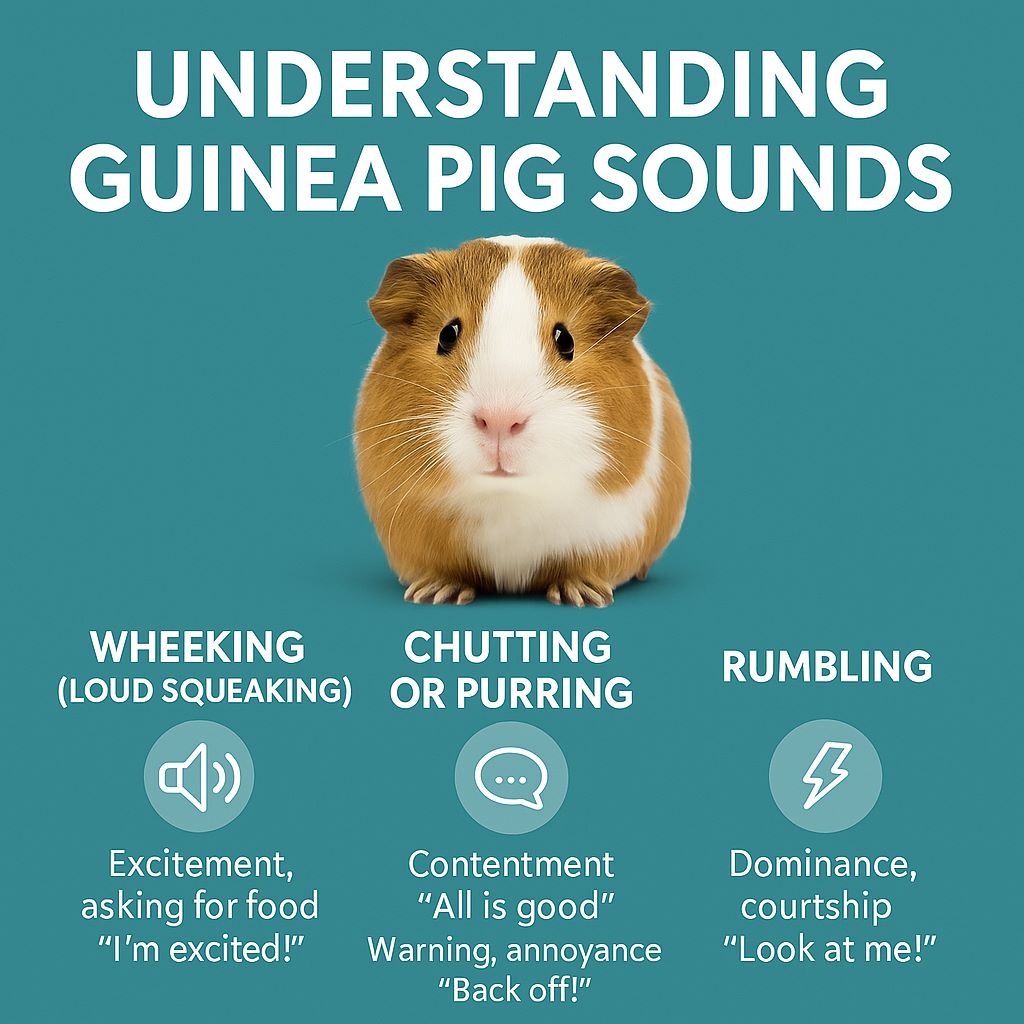
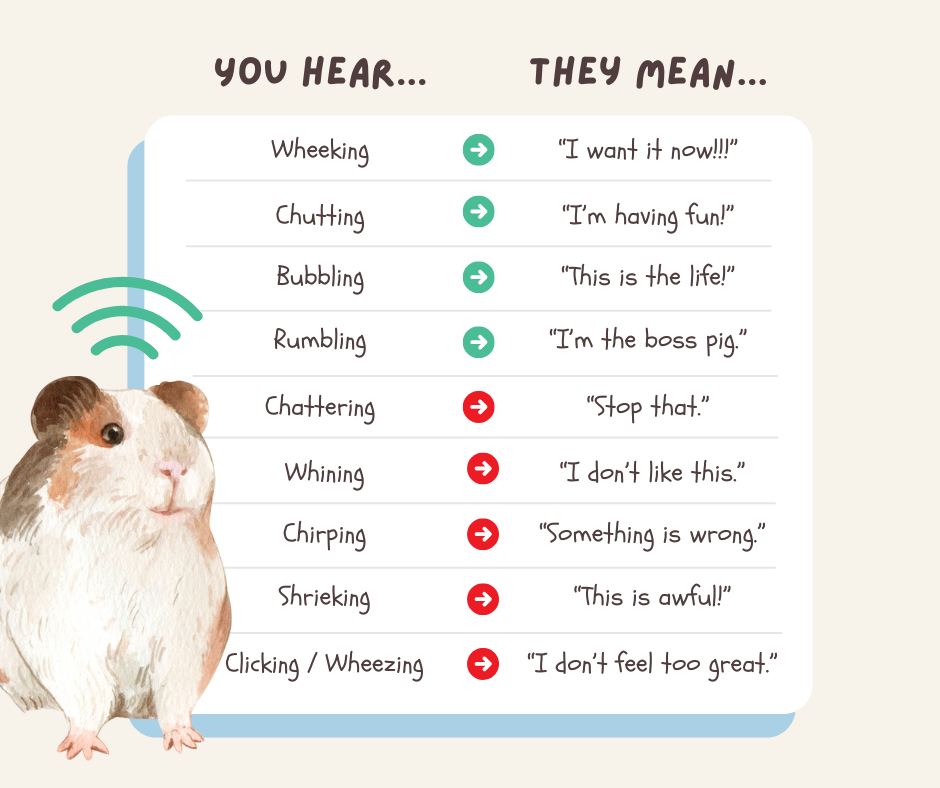
Common sounds you may hear:
- Wheek High, bright call for attention or food.
- Purr Low and steady when content; tense and short when annoyed.
- Chirp Rare, bird-like sound that can mean high arousal or stress.
- Teeth chattering Warning to back off.
- Whine or squeal Discomfort or pain.
Body language matters as much as sound:
- Relaxed loaf, half-closed eyes, slow blink show comfort.
- Freeze, flinch, or skin twitch point to stress.
- Popcorning jumps suggest excitement.
If you have asked why do guinea pigs squeak when you rub their back, remember the back is a sensitive zone. Touch there can feel great or too intense fast.
:strip_icc()/guinea-pig-vocalizations-and-body-language-1238882_Final-964d683a5e414eaba036713873abc86f.png)
Why do guinea pigs squeak when you rub their back?
There is no single reason. The answer depends on mood, health, and how you touch. Here are the most common causes I see in homes and rescues.
Positive reasons:
- Social grooming Some pigs enjoy gentle rubs that mimic grooming.
- Contentment A soft purr with a light squeak can show pleasure.
- Anticipation If you always pet before snacks, squeaks may be “hurry up!”
Neutral or mixed reasons:
- Startle They did not see your hand and squeaked in surprise.
- Ticklish spots Short squeaks when hair follicles fire, like a quick “eep!”
- Overstimulation Good turns too much; they ask for a break.
Negative reasons:
- Skin irritation Parasites, fungal issues, or dry skin make touch hurt.
- Pain in muscles or joints Arthritis or spinal pain can cause a squeal.
- Fear or control They want space; the squeak says stop.
When friends ask me why do guinea pigs squeak when you rub their back, I ask what the body looks like in that moment. Calm posture means one thing. A tense, flat body means another.
How to tell happy squeaks from stress squeaks?
Use a simple checklist to read the scene.
Happy or okay signs:
- Loose body, slow breathing, steady low purr.
- Leaning into your hand or following it.
- Popcorning or staying put after you stop.
Stress or discomfort signs:
- Freeze, skin ripples, flank twitch, or head toss.
- Teeth chattering or a high, sharp squeal.
- Pulling away, bolting, or hiding.
If you still wonder why do guinea pigs squeak when you rub their back, watch what happens when you pause. If they nudge for more, it was likely good. If they move off, give space.

The best way to pet a guinea pig’s back
A gentle method helps you avoid mixed signals and stress.
Steps that work well:
- Let them see and sniff your hand first.
- Use warm, dry hands and a calm voice.
- Stroke with the fur, from shoulders toward the rump.
- Keep pressure light and even.
- Avoid the lower back if they flinch or lift their hindquarters.
- Pet in short sets of 5–10 seconds, then pause.
- Pair touch with a tiny veggie reward.
I train new owners with a “consent pause.” Pet for a few seconds, then stop. If your pig shifts closer, resume. If not, give a break. This simple habit answers why do guinea pigs squeak when you rub their back in real time.

Health issues that can make back rubs painful
If squeaks are sharp or sudden, rule out health problems. Pain changes how touch feels.
Common culprits:
- Mites or lice Trixacarus caviae causes intense itch and pain.
- Fungal skin disease Ringworm creates sore, scaly spots.
- Vitamin C deficiency Scurvy leads to joint pain and sensitivity.
- Urinary issues UTIs or bladder stones can cause flank pain.
- Arthritis or injury Older pigs or those with falls may ache.
- Ovarian cysts in females Sensitivity near the sides and back.
Veterinary texts and small mammal experts note that skin and joint problems are frequent in guinea pigs, and gentle handling helps during recovery. If you notice hair loss, dandruff, weight loss, or posture change, see a vet.
Many readers ask why do guinea pigs squeak when you rub their back after a bath; skin can dry out. Use small-pet-safe shampoo, rinse well, and keep baths rare.
Training better back rubs with positive association
You can teach your guinea pig to enjoy touch more. Keep it simple and kind.
Try this plan:
- Desensitize Start near the shoulders for one second, then treat.
- Build slowly Add one second per session if they stay relaxed.
- Use the consent test Pause often; let them choose more or not.
- Track triggers Time of day, noise, or where you touch can matter.
- Keep sessions short Two to three minutes is enough.
Over a few weeks, you may hear fewer alarm squeaks and more soft purrs. Many guardians who ask why do guinea pigs squeak when you rub their back find that snacks plus choice reduce stress fast.
When to see a vet?
Call a vet with small mammal experience if you notice:
- Sudden, repeated sharp squeals on light touch.
- Skin flakes, bald spots, sores, or scabs.
- Limping, hunched posture, or weight loss.
- Blood in urine, straining, or foul odor.
- Ongoing change in mood or appetite.
If you ask why do guinea pigs squeak when you rub their back and pain signs appear, do not wait. Early care prevents worse problems and keeps trust strong.
Real-life lessons from the rescue room
At our rescue, we see all types of squeaks. Biscuit, a shy boar, squeaked at every back touch. We found mites and treated him. Two weeks later, he leaned into slow strokes and wheeked for greens.
Here is what has helped most:
- Start with the shoulders and move down only if they invite it.
- Keep hands slow and light; think “soft paintbrush.”
- Use routine. Same place, same time, same mat.
- Respect a no. Choice builds trust.
These small habits answer why do guinea pigs squeak when you rub their back better than any chart. Your pig’s body gives the clearest truth.
Frequently Asked Questions of why do guinea pigs squeak when you rub their back
Why do guinea pigs squeak when you rub their back near the rump?
That area is very sensitive and can feel intense or ticklish. Try lighter pressure and stop if they flinch.
Is a purr during a back rub always good?
Not always. A low, smooth purr is happy; a short, tense purr with a still body can mean “enough.”
Why do guinea pigs squeak when you rub their back only at night?
They may be more alert then. Dim lights, reduce noise, and keep sessions short.
Why do guinea pigs squeak when you rub their back after a bath?
Dry or irritated skin can make touch sting. Use pet-safe products and moisturize the room air.
Why do guinea pigs squeak when you rub their back but not the head?
The back has more sensitive spots. Many pigs prefer head and shoulder strokes first.
How long should a back rub last?
Start with a few seconds, then pause. If they ask for more, add time slowly.
Can treats stop the squeaking?
Treats can create positive links. Use tiny pieces of leafy greens to reward calm.
Conclusion
Squeaks during back rubs can mean joy, surprise, or pain. Read the whole picture: sound, posture, and context. Use light strokes, short sessions, and the consent pause to keep trust strong. If squeaks turn sharp or frequent, see a vet and rule out skin or joint issues.
Try one change today. Start with a gentle shoulder stroke, pause, and let your pig guide you. If this helped, subscribe for more small pet care tips, or share your story in the comments.