

Guinea pigs vibrate to signal emotion joy, fear, courtship, dominance, cold, or pain.
If you have wondered why does my guinea pig vibrate, you are not alone. As a small pet specialist, I’ve helped many owners decode this quirky behavior.
In this guide, I break down each reason, show you what to look for, and share tips that work in real homes with real guinea pigs. By the end, you will know when to relax and when to call the vet.
What “vibrating” means in guinea pigs?
When people ask why does my guinea pig vibrate, they usually mean a purr-like tremble or a rumbling shake. This is a normal way guinea pigs talk with their bodies. It can be happy, nervous, or romantic, depending on the sound and the pose.
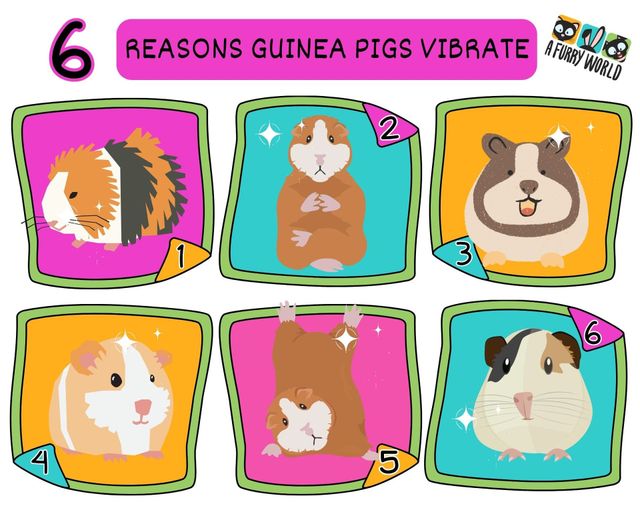
You may notice two common types. A low, smooth purr with a relaxed body is often contentment. A deeper rumble with a slow side-to-side swagger, called a rumble strut, is a mating or dominance signal. A fast, tense shiver with a high-pitched purr is more likely fear. Knowing the difference helps you read the moment.
Vibration can also mean cold or pain. Watch the whole picture: the sound, the posture, and the setting. That full context answers why does my guinea pig vibrate in most cases.
Common reasons your guinea pig vibrates
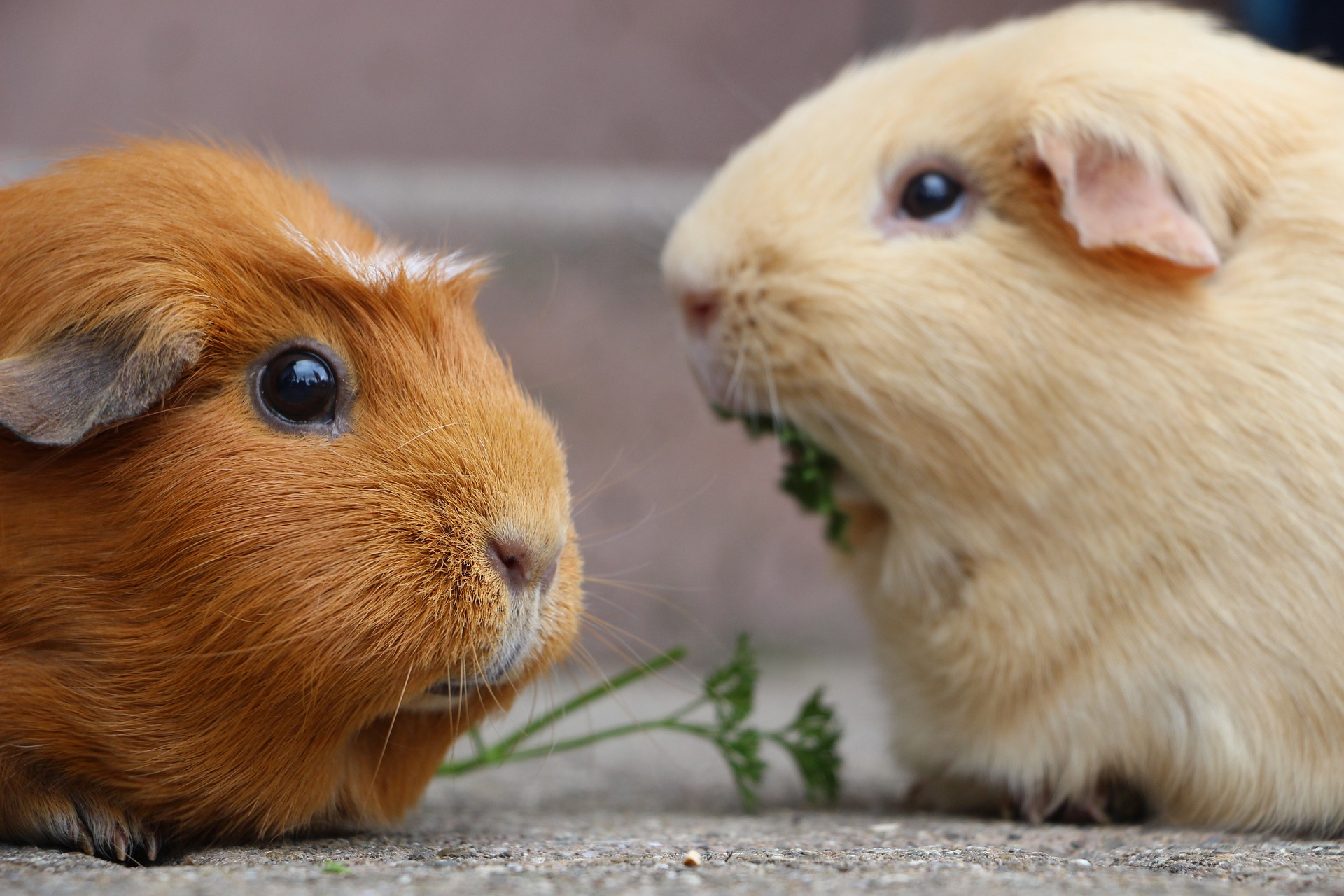
There is no single answer to why does my guinea pig vibrate. Several normal and not-so-normal causes are possible. Here are the most common.
Happy purring
A soft, even purr can mean your pig is relaxed. You may hear it during gentle petting or while they eat hay.
- Body loose and eyes half closed
- Normal breathing and posture
- Often paired with slow, happy exploring
Mating and dominance (rumble strut)
A low rumble plus a slow hip sway is classic courtship or status talk. Both males and females can do it.
- Side-to-side strut and lowered body
- Aimed at another guinea pig
- May repeat in short bursts
Fear or stress
A quick, buzzy purr can be a warning. The body gets stiff. The pig may freeze or dash.
- Wide eyes, tense muscles, hiding
- Teeth chattering or rapid breathing
- Triggered by loud noise, sudden touch, or new smells
Cold or environmental chill
Guinea pigs shiver when cold, just like we do. Most veterinary guidelines suggest 65–75°F (18–24°C) as a safe range.
- Cool ears, huddling, less movement
- Vibrating stops once warmed
- Drafts from windows or fans can set it off
Pain or illness
Pain can look like brief tremors or tight, shaky stillness. It may come with other red flags.
- Loss of appetite, weight drop, hunched posture
- Crying when picked up, teeth grinding
- Skin mites can cause twitching and jerks due to itch and pain
External vibrations and sounds
Deep bass from music, appliances, or traffic can make a guinea pig vibrate. They sense low frequencies well.
- Reaction happens near speakers, washers, or TVs
- Stops when the source stops or the cage moves away
If you map the sound, the body language, and the situation, you can answer why does my guinea pig vibrate without guesswork.
)
Good vibrations vs bad vibrations: how to tell the difference
You want to know whether the vibration is fine or a warning. Use this simple guide.
- Sound and tone: Low and steady often means calm. High or buzzy can mean stress.
- Body and face: Relaxed limbs and soft eyes are good. Stiff legs, wide eyes, or a hunched back are not.
- Timing and trigger: Starts during petting or grooming can be content. Starts after a bang or sudden move can be fear.
- Duration: Brief and situational is normal. Long or repeated episodes without a clear trigger may be trouble.
When someone asks why does my guinea pig vibrate, I start with these four checks. They are fast and clear.

What to do in the moment?
If your pig starts to vibrate, act based on the likely cause.
- Pause and lower the noise. Turn down music. Step back. Speak softly.
- Check temperature. Keep the room between 65–75°F.
- Offer a safe hide. A covered hideout lets prey animals reset.
- Try a gentle touch test. If vibration increases, stop touching.
- Observe for 5–10 minutes. Look for normal eating and grooming.
This quick plan answers why does my guinea pig vibrate right now, and it keeps your pet safe while you assess.
Health red flags and when to see a vet
Some signs call for a same-week vet visit, ideally with an exotics vet.
- Ongoing vibration with pain signs like teeth grinding or crying
- Bald patches, dandruff, or intense itching (possible mites)
- Hunched posture, soft stool, less urine, or blood in urine
- Not eating for 6–8 hours or a sudden drop in weight
- Labored breathing, nasal discharge, or fever
Many of these issues have effective treatments when caught early. If you keep asking why does my guinea pig vibrate and the pattern persists, get a checkup. Pain is a common cause and needs care.
Environment and handling tips to reduce stress
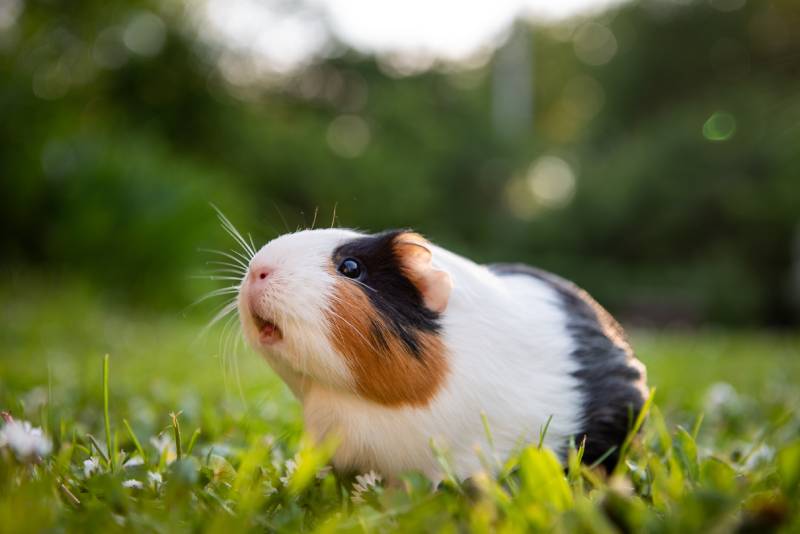
Small lifestyle changes can prevent stress-based vibration.
- Space and layout: Use a roomy cage with at least one hide per pig.
- Companionship: Guinea pigs are social. Pairing compatible pigs reduces fear.
- Sound control: Keep cages away from subwoofers, laundry rooms, and slamming doors.
- Temperature: Avoid drafts. Keep steady room heat. Provide cozy bedding.
- Handling: Scoop with two hands. Support the chest and bottom. Keep sessions short and calm.
- Routine: Feed, clean, and play at the same times each day. Predictability lowers stress.
Many owners find that these steps solve why does my guinea pig vibrate for fear or environmental reasons.
My hands-on experience and practical examples
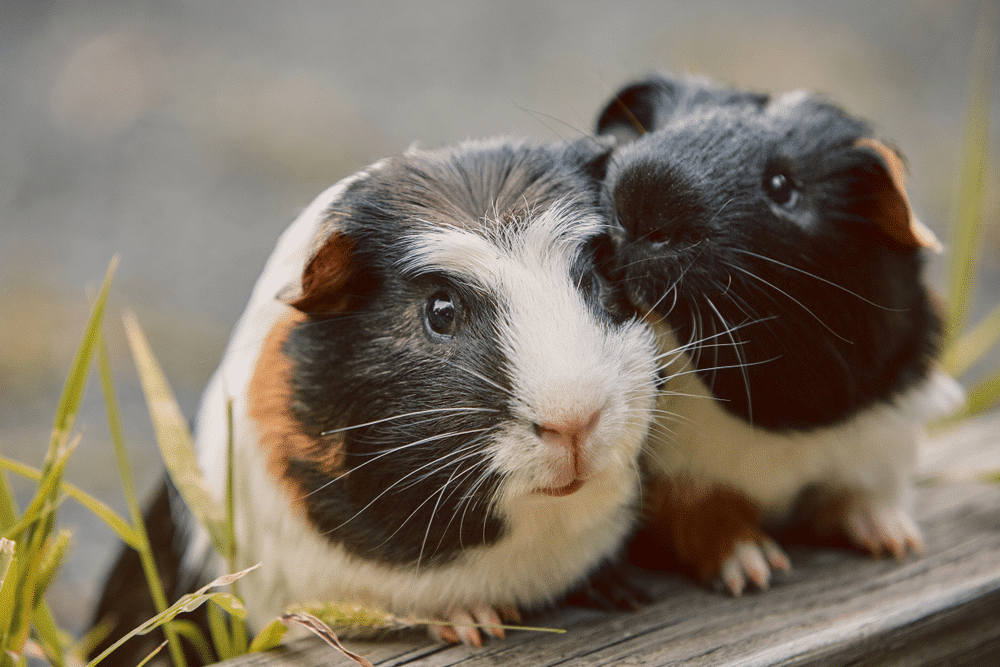
In my work with small pets, I have seen both ends of the spectrum. One boar vibrated and rumbled every evening. He was courting his cage mate and showing off. We added visual barriers and two hides. The rumbling slowed and peace returned.
Another case kept asking why does my guinea pig vibrate during petting. The pig tensed, buzzed, and flinched. A vet found mites and treated them. We also switched to quieter grooming and shorter sessions. Within a week, the vibration faded, and the pig started popcorn jumps again.
Mistakes to avoid include overhandling nervous pigs, blasting music near the cage, and ignoring small signs of pain. Simple fixes often work fast.
Troubleshooting checklist
Work through this list when you wonder why does my guinea pig vibrate.
- Note the sound. Low and steady or high and buzzy?
- Check posture. Relaxed or stiff and hunched?
- Scan the room. Loud noise, new smells, cold air, or nearby speakers?
- Check temperature. Keep 65–75°F with no drafts.
- Offer a hide and reduce light and sound for 10 minutes.
- Reassess. Is your pig eating, grooming, and moving normally?
- Inspect skin and coat. Look for flakes, bald spots, or scratching.
- Track food, water, and poop for 24 hours.
- If pain signs show, call an exotics vet.
- Adjust environment and handling based on what you found.
This checklist helps you answer why does my guinea pig vibrate with calm, clear steps.
Frequently Asked Questions of why does my guinea pig vibrate
Is vibrating always bad?
No. A soft, low purr with a relaxed body often means contentment. Tense, high-pitched buzzing or a hunched pose can mean stress or pain.
Why does my guinea pig vibrate when I pet them?
It can be pleasure or discomfort. Watch their body language; if they loosen up and continue eating or grooming, it is likely good. If they tense or try to flee, stop and try later.
Why does my guinea pig vibrate around other guinea pigs?
That is often a rumble strut for courtship or dominance. It is normal if both pigs stay calm and no one gets chased or bitten.
Could cold make my guinea pig vibrate?
Yes. Guinea pigs shiver when cold. Keep the room steady at 65–75°F, add warm bedding, and avoid drafts.
When should I worry about vibrating?
If it comes with pain signs like teeth grinding, loss of appetite, or a hunched back, call a vet. Long or repeated episodes without a clear trigger also need a check.
Why does my guinea pig vibrate near music or TV?
Low-frequency sounds and vibrations can upset them. Move the cage to a quieter spot and lower the volume.
Conclusion
Guinea pig vibration is a language. Sometimes it says I am happy. Sometimes it says I am cold, scared, or in pain. Read the sound, the posture, and the setting together, and you will know what to do.
Start with small fixes today. Make the room calm, keep a steady temperature, and handle with care. If you see pain or ongoing issues, book an exotics vet visit. Want more practical care tips? Subscribe for fresh guides and share your questions in the comments.