

Most guinea pig diarrhea stems from diet changes, low fiber, infection, or antibiotics.
Caring for guinea pigs means watching their gut health every day. If you wonder why do guinea pigs get diarrhea, you’re in the right place. I’ve helped many owners solve this fast and safely.
In this guide, I explain real causes, proven fixes, and simple steps that work at home and at the vet. Read on to protect your cavy and prevent scares down the road.
What Is Diarrhea in Guinea Pigs?
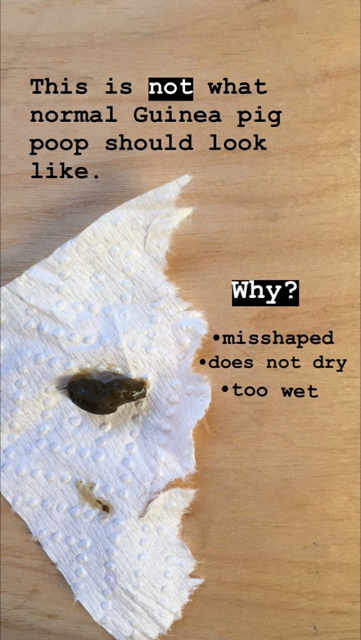
Diarrhea is unformed, watery stool that loses shape and soaks bedding. It is not the same as soft but formed droppings. True diarrhea can lead to fast fluid loss. That can turn serious within hours in small pets.
Guinea pigs have a delicate hindgut. Fiber runs the show. When the balance of bacteria shifts, water pulls into the gut. That is the short path to loose stool. If you ask why do guinea pigs get diarrhea, start with that gut balance.
Key points to know:
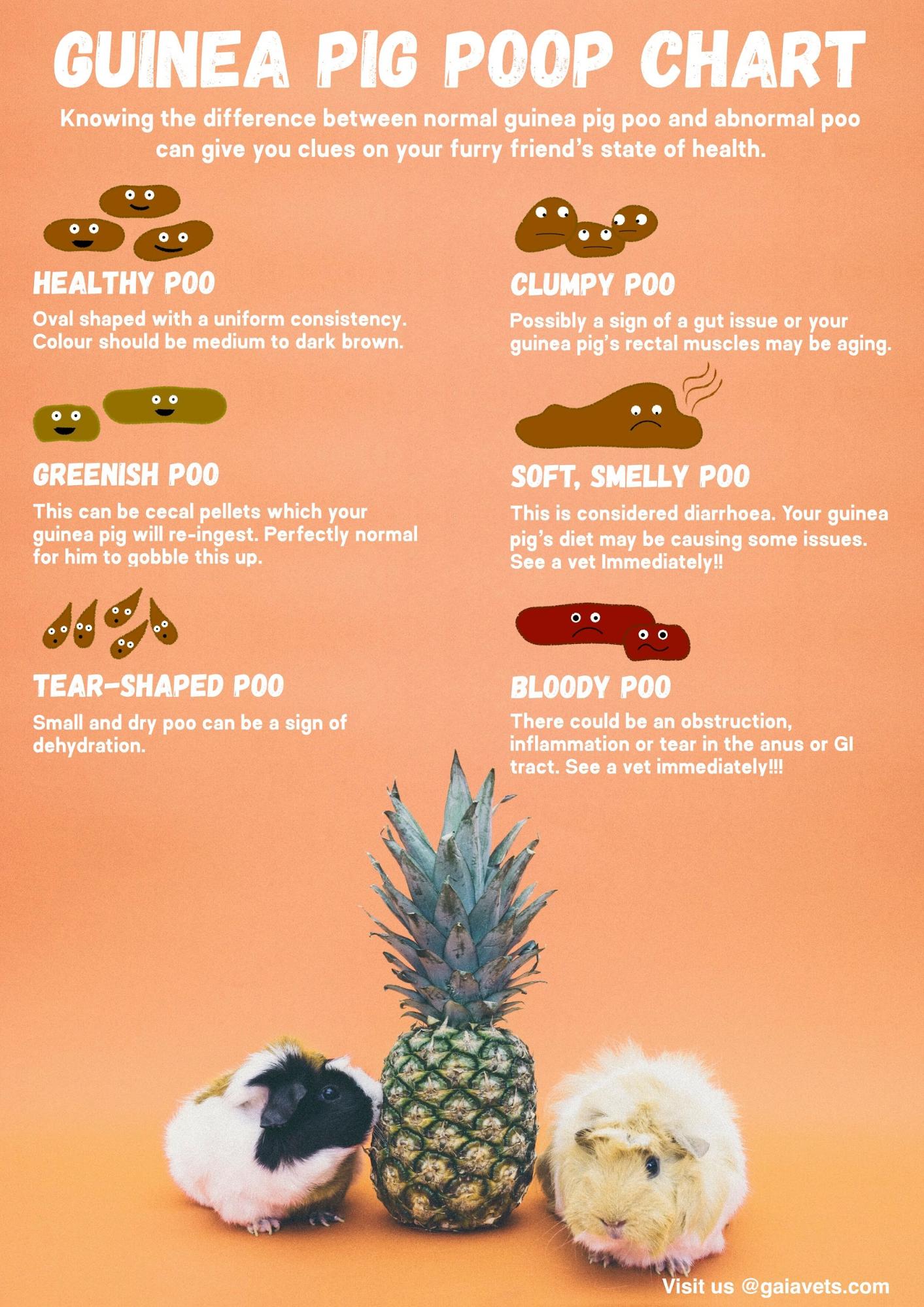
- Normal poop is firm, oval, and dry.
- Cecotropes are soft, nutrient-rich droppings pigs eat. That is normal.
- Pasty, smelly, or watery stool is not normal and needs action.

Common Causes of Diarrhea in Guinea Pigs
Diet is the top trigger. But many things can upset the gut.
If you ask why do guinea pigs get diarrhea, these causes lead the list:
- Sudden diet change. New greens or pellets added too fast.
- Low fiber intake. Not enough grass hay all day.
- Too many watery veggies. Large amounts of lettuce or cucumber.
- Rich treats. Fruits, corn, or human snacks.
- Dirty or spoiled food. Old greens or damp hay with mold.
- Antibiotic side effects. Certain drugs wipe out good gut bugs.
- Bacterial infections. Overgrowth of harmful bacteria in the cecum.
- Parasites. Giardia or coccidia can cause chronic soft stool.
- Dental pain. Pain lowers eating, fiber drops, gut slows, then shifts.
- Stress. New cage mates, loud sounds, travel, or heat.
- Poor hygiene. Dirty bottles or bowls can seed bacteria.
- Toxins. Lawn sprays or unsafe plants.
Notes on antibiotics:
- High risk drugs for cavies include penicillins, amoxicillin, ampicillin, clindamycin, lincomycin, and erythromycin.
- Always ask a cavy-savvy vet before any antibiotic.
Symptoms and Red Flags
Not all soft stool is an emergency. But some signs mean go now.
If you wonder why do guinea pigs get diarrhea and if it is urgent, look for:
- Watery stool that soaks fur or bedding.
- No eating for 6 to 8 hours or more.
- Lethargy, hunching, or puffed fur.
- Dehydration. Tacky gums, sunken eyes, or tiny dry poops.
- Weight loss over 1 ounce (30 grams) in a day.
- Blood or black stool.
- Belly pain, teeth grinding, or a bloated look.
- Strong, foul smell from the rear.

What To Do Right Now?
Fast, calm action helps most pigs do well.
If you ask why do guinea pigs get diarrhea, take these steps as a first aid plan:
- Pull all fresh foods for 12 to 24 hours. Keep hay only.
- Offer unlimited timothy or orchard grass hay.
- Give fresh, clean water. Offer a second bottle and a bowl.
- Add pet-safe oral electrolytes if your vet says it is okay.
- Weigh your pig now. Log weight daily at the same time.
- Keep the cage dry and warm. Change wet bedding right away.
- Do not give human anti-diarrheal drugs. They can harm cavies.
- Call your vet if there is no change in 12 hours, or if any red flags show.
Personal tip: I keep a small scale by the cage. A weight drop often shows trouble before my eyes can.
Diagnosis: How Vets Find the Cause
Vets look for the trigger and the risk.
If you ask why do guinea pigs get diarrhea, a vet may use:
- Fecal tests. Float or smear to check for parasites.
- PCR or culture. Finds harmful bacteria and guides drugs.
- Gram stain. Looks at gut bug balance.
- Blood work. Checks hydration, salt levels, and vitamin C status.
- X‑rays. Rules out gas build up or blockage if the belly is big.
- Diet and habitat review. Finds gaps in fiber, water, or hygiene.

Treatment Options
Care depends on the cause and the pig’s state. The goal is to fix fluids, fiber, and flora.
If you ask why do guinea pigs get diarrhea, these are common vet‑guided treatments:
- Fluids. Oral or subcutaneous to restore hydration.
- Fiber support. Unlimited hay; syringe feed critical-care formula if not eating.
- Probiotics. Cavy-safe products may help restore balance. Give them a few hours apart from antibiotics.
- Safe antibiotics. Options may include enrofloxacin, trimethoprim-sulfa, or chloramphenicol when needed.
- Antiparasitics. For Giardia or coccidia as indicated by tests.
- Pain control. Only vet-prescribed meds.
- Warmth and stress control. Quiet space speeds recovery.
Avoid:
- Penicillin-class or lincosamide antibiotics in cavies.
- Sugary treats, yogurt, or dairy.
- Sudden diet swings, even if stool seems better.
:strip_icc()/GettyImages-628986384-52c7a5b3882a4308902e9a7c8066fbbb.jpg)
Diet: Building a Gut-Friendly Menu
A steady, fiber-rich plan keeps the gut happy.
If you still ask why do guinea pigs get diarrhea, check the daily menu:
- Unlimited grass hay. Timothy, orchard, or meadow hay is the base.
- Plain pellets. About 1/8 cup per adult pig per day. Choose no seeds or colored bits.
- Fresh greens. 1 cup per pig per day. Split into two feedings.
- Good picks. Romaine, green leaf, red leaf, cilantro, bell pepper, endive.
- Go slow with new foods. Add one item over 3 to 5 days.
- Limit high-water items. Small amounts of cucumber or melon only.
- Avoid iceberg lettuce. It is low in fiber and can loosen stool.
- Vitamin C. Use a stable supplement or feed high C greens like bell pepper.
- Clean water. Change daily. Wash bottles each day to stop biofilm.
When stool is normal for 48 hours, reintroduce veggies. Start with small amounts of high-fiber greens.
Prevention and Daily Care Tips
Simple habits prevent most flare-ups.
If you ask why do guinea pigs get diarrhea, prevention is kinder than a cure:
- Keep a food diary. Spot patterns before problems grow.
- Quarantine new pigs for 2 weeks and check stool.
- Clean bowls and bottles every day. Deep clean the cage weekly.
- Weigh weekly. A small drop alerts you early.
- Keep stress low. Stable mates, gentle handling, and a quiet room help.
- Provide chew toys and hay racks to promote steady nibbling.
- Avoid lawn grass clippings, houseplant nibbles, or yard sprays.
Wash your hands after care. Some germs can affect people with weak immune systems.
Personal Lessons From the Clinic
Real cases can teach fast.
If you ask why do guinea pigs get diarrhea, here are three stories that stick with me:
- The salad switch. A family swapped to big bowls of lettuce in one day. The pig had watery stool by night. We pulled fresh foods, gave fluids, and added hay only. Lesson: change foods slow and small.
- The wrong antibiotic. A pig got amoxicillin for a skin cut. Severe diarrhea hit within 24 hours. We stopped the drug, started safe meds, fluids, and probiotics. Lesson: always check if a drug is safe for cavies.
- The hidden parasite. Soft stool came and went for weeks. Tests found Giardia. A short course of antiparasitic and careful cleaning fixed it. Lesson: test, do not guess.
These cases guide my checklists today. Small steps made a big difference.
Frequently Asked Questions of why do guinea pigs get diarrhea
Why do guinea pigs get diarrhea after antibiotics?
Some antibiotics kill good gut bacteria. That lets harmful bacteria grow and cause diarrhea. Ask your vet for cavy-safe choices.
Why do guinea pigs get diarrhea when I add new greens?
A fast food change shocks the gut. Add one new green at a time over a few days. Keep hay constant.
Can stress be why do guinea pigs get diarrhea?
Yes. Stress changes gut movement and bacteria balance. Quiet space and routine help protect the gut.
How long does mild diarrhea last?
Many mild diet cases improve within 12 to 24 hours after pulling fresh foods. If not, or if there are red flags, call your vet.
Is fruit a reason why do guinea pigs get diarrhea?
Too much fruit adds sugar and water. That can upset the gut. Use tiny treats once or twice a week at most.
Can I give human anti-diarrheal medicine?
No. Human meds can be unsafe for cavies. Always consult a vet for safe options.
How do I know if it is an emergency?
Look for watery stool, no eating, blood, or a fast weight drop. These signs need vet care right away.
Conclusion
Diarrhea in guinea pigs is common, but it is not “normal.” Most cases link to diet, low fiber, stress, unsafe antibiotics, or infection. Fast, calm steps and a hay-first diet protect your pig’s gut and speed recovery. Build steady habits, watch weight, and keep changes slow and simple.
Act today. Review your pig’s menu, clean water gear, and set a weekly weigh-in. If you need more help, explore our care guides, subscribe for tips, or share your questions so we can help your pig thrive.