

Guinea pigs can eat small amounts of low-sugar, vitamin C–rich fruits weekly.
Curious about what fruits can guinea pigs eat and how to serve them right? You’re in the right place. I’ve cared for many cavies, from picky eaters to rescue seniors, and I’ve learned what works in real homes.
This guide explains what fruits can guinea pigs eat, how much to give, how often, and what to avoid. You’ll get clear lists, real examples, and simple steps you can trust.
What Fruits Can Guinea Pigs Eat?
Safe fruits for guinea pigs
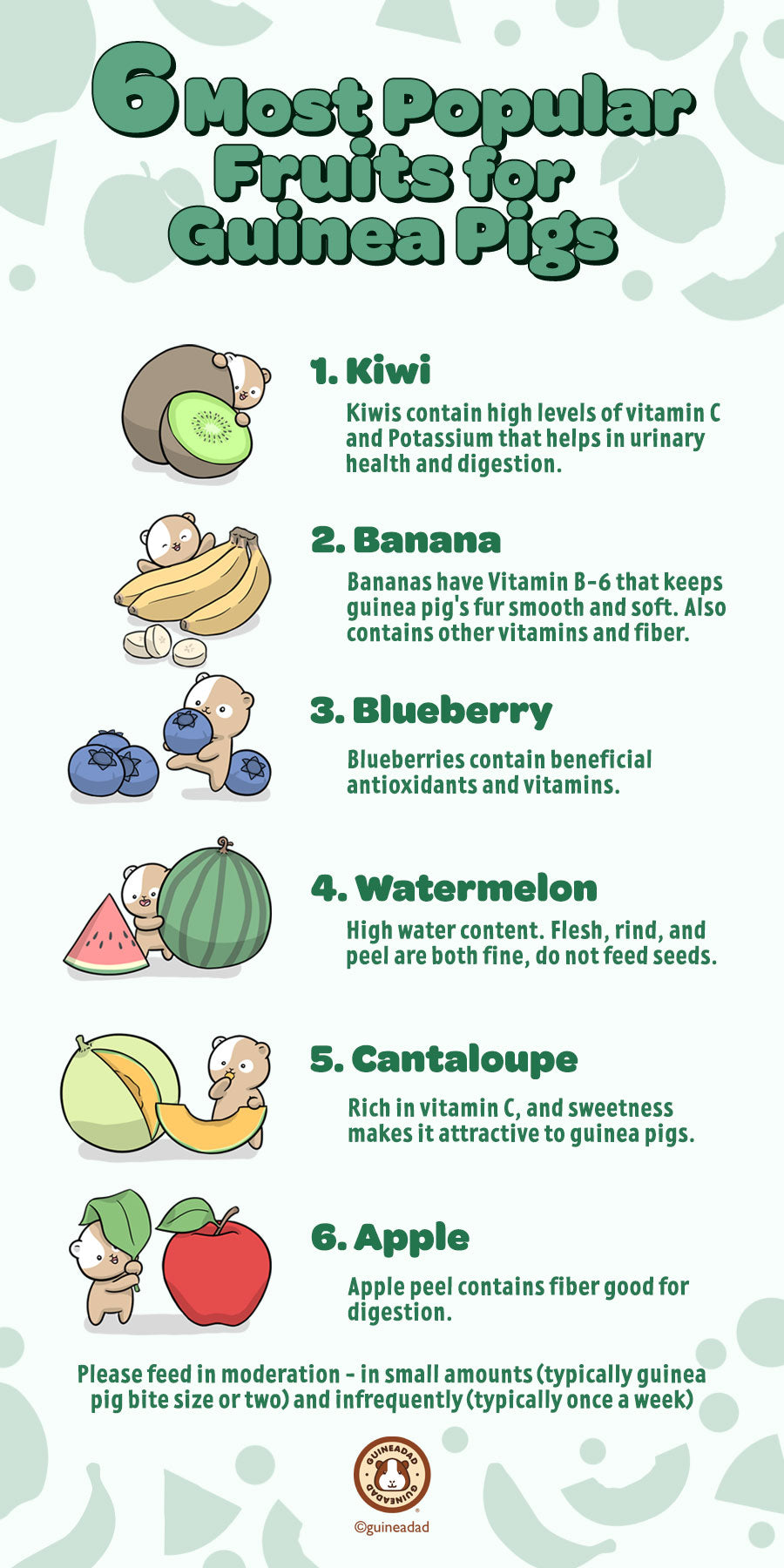
Let’s start with what fruits can guinea pigs eat safely. Fruit should be a treat, not a staple. Choose low-sugar options with vitamin C. Offer tiny, bite-size pieces and rotate choices.
Safe options and serving tips:
- Strawberries: One small berry, tops trimmed. Rich in vitamin C. Limit due to sugar.
- Blueberries: One or two berries. Antioxidant rich and easy to portion.
- Raspberries and blackberries: One berry. Seeds are small but still limit.
- Kiwi: A thin slice, peeled. Great vitamin C boost.
- Apple: A thin slice, seeds and core removed. Peel if waxed.
- Pear: A thin slice, seeds removed. Juicy but sugary, so limit.
- Orange or mandarin: One small segment, no seeds or peel. Acidic, watch for mouth soreness.
- Melon (cantaloupe, honeydew, watermelon): A small cube, seeds removed. Hydrating but sweet.
- Grapes: One seedless grape, halved. High sugar, rare treat.
- Papaya or mango: One tiny cube, peeled and pitted. Occasional only.
- Tomato: A small cherry tomato quarter. Acidic; avoid leaves and stems.
Note on bell peppers: They are botanically fruits and excellent for vitamin C. Many owners feed bell peppers daily as part of the veggie mix. Green is lowest in sugar.
That covers what fruits can guinea pigs eat in regular rotation. Always watch your pig’s reaction when you try a new fruit.

Fruits to limit and why
It matters not only what fruits can guinea pigs eat, but how much and how often. Some fruits are safe but need strict limits due to sugar or acidity.
Limit these:
- Banana: A very thin slice once a week at most. High sugar and starch.
- Grapes: One seedless grape only, not every week. Very sweet.
- Pineapple: A tiny tidbit, core removed. Acid may irritate the mouth.
- Mango and papaya: Small cube, rarely. Still sugary.
- Citrus fruits: One small segment, watch for mouth sores and tummy upset.
- Tomato: Small pieces only due to acidity.
Rotate these with safer berries and kiwi to keep sugar low.
Fruits to avoid
Some items often appear when people search what fruits can guinea pigs eat, yet they are unsafe. Skip the following to protect your pig’s gut and kidneys.
Avoid entirely:
- Avocado: Too fatty and risky due to natural compounds.
- Dried fruit: Sugar-dense and sticky. Can upset the gut fast.
- Rhubarb: Toxic oxalates. Do not feed any part.
- Fruit pits and seeds: Apple seeds and stone-fruit pits are hazardous. Always remove.
- Citrus peels: Oils and residues can irritate. Do not use as treats.
- Starfruit: High oxalates and other compounds. Not safe for small pets.
- Fruit juice, canned fruit, syrups: Too much sugar and additives.
- Unripe, moldy, or spoiled fruit: Can cause fast, serious gut issues.
When in doubt, leave it out. Hay and leafy greens should always come first.
Serving sizes, frequency, and preparation
The right plan turns what fruits can guinea pigs eat into a healthy treat, not a problem. Keep it simple and steady.
How to serve fruit well:
- Portion: 1 to 2 teaspoons per pig per serving. Offer 2 to 3 times per week at most, total.
- Introduce slowly: Try one new fruit at a time. Wait 24 hours and check droppings.
- Prep right: Wash well, remove seeds and pits, peel waxed skins, and cut bite-size.
- Feed after hay: Let them fill up on hay first to protect their gut.
- Watch weight and stools: If weight climbs or stools soften, cut back or pause fruit.
- Special cases: Pigs with past bladder issues or diabetes risk may need fewer or no fruits.
Guinea pigs need vitamin C daily. Typical guidance is about 10 to 30 mg per kg of body weight per day. Fruit can help, but rely on leafy greens and quality pellets first.

Nutrition basics: sugar, vitamin C, and calcium
Understanding sugar and minerals reframes what fruits can guinea pigs eat. Guinea pigs cannot make their own vitamin C, so the diet must supply it. Fruit can help, but sugar can upset their gut.
Key points:
- Vitamin C: Kiwi and strawberries are great sources. Oranges help too, in tiny amounts.
- Sugar: Too much sugar feeds the wrong gut bacteria. That can lead to gas and soft stools.
- Calcium and oxalates: Fruits are usually not high in calcium, but some have more acids or oxalates. Rotate choices and keep fruit portions small.
- Balance matters: Most nutrition should come from hay, then leafy greens, then a small pellet serving. Fruit is the smallest slice of the menu.
This steady balance keeps teeth, gut microbes, and urine health in check.
Seasonal ideas and practical pairings
Use seasons to guide what fruits can guinea pigs eat. Fresh, ripe fruit is easier to digest and tastes better. This also helps your budget and keeps variety high.
Simple seasonal ideas:
- Spring: Early strawberries, a sliver of mango. Pair with romaine or cilantro.
- Summer: Watermelon, blueberries, cantaloupe. Offer tiny cubes with butterhead lettuce.
- Fall: Apple or pear slivers, fresh cranberries. Pair with green leaf lettuce.
- Winter: Mandarin segments and kiwi slices. Add bell peppers for extra vitamin C.
Practical pairings:
- Balance a sweet fruit with a mild, watery green to dilute sugar.
- Skewer tiny cubes on a safe stick for foraging fun.
- Freeze micro-cubes of melon for hot days, then thaw a bit before serving.
This hands-on plan helps answer what fruits can guinea pigs eat each month. In my experience, rotating two fruits weekly keeps interest high and stools normal.
Signs your guinea pig isn’t tolerating a fruit
Watch their body to confirm what fruits can guinea pigs eat without trouble. Most issues show up fast.
Warning signs:
- Soft stools or diarrhea
- Bloated belly, gas, or less appetite
- Red mouth, drooling, or wet chin after acidic fruit
- Hiding more or acting low energy
What to do:
- Stop fruit at once and offer only hay and water.
- If signs last more than a day, call an experienced exotic vet.
- Track what fruit caused it. Try a milder option later, in a smaller amount.
Frequently Asked Questions of what fruits can guinea pigs eat
What fruits can guinea pigs eat daily?
None. Fruit is a treat, not a daily food. Offer tiny portions two or three times a week at most.
How often can guinea pigs have fruit?
Two or three times per week is enough. Keep each serving to 1 to 2 teaspoons per pig.
Can guinea pigs eat strawberries?
Yes, in small amounts. One small berry is fine, but watch sugar and rotate with other fruits.
Are grapes safe for guinea pigs?
Yes, but only one seedless grape per serving. They are very sweet, so offer rarely.
Can guinea pigs eat bananas?
Yes, a very thin slice. Bananas can cause tummy upset if you feed too much.
Can guinea pigs eat oranges?
Yes, a small segment with no seeds or peel. Acid may irritate the mouth, so limit it.
What fruits should guinea pigs never eat?
Avoid avocado, dried fruit, citrus peels, rhubarb, starfruit, and any pits or seeds. Skip juices and canned fruits.
Conclusion
You now know what fruits can guinea pigs eat, how much to give, and what to skip. Keep fruit portions tiny, choose vitamin C–rich picks, and watch your pig’s stools and energy. Small, steady steps make a big difference in health and joy.
Try one safe fruit this week, track the result, and build a simple rotation. Want more care tips and weekly feeding ideas? Subscribe for updates or leave a comment with your pig’s favorite treat.