

Yes, guinea pigs can eat celery in small, well-prepared portions.
If you’ve ever wondered can guinea pigs eat celery and how much is safe, you’re in the right place. I’ve helped many owners fine-tune veggie plans, and I’ll walk you through nutrition, benefits, risks, and exact serving steps so you can feed celery with confidence.
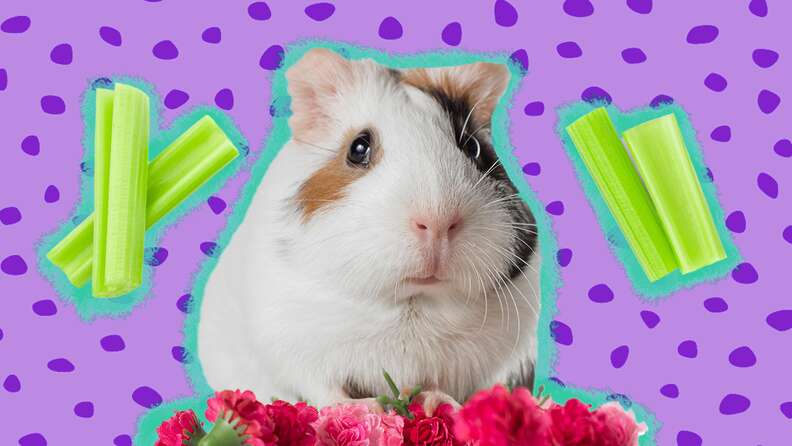
Can guinea pigs eat celery? The nutrition breakdown
Celery is mostly water, with a light mix of fiber, vitamins, and minerals. That is why many ask, can guinea pigs eat celery and still meet their daily needs? The short answer is yes, but it should be a side, not the star.
Key nutrition points for guinea pigs:
- Vitamin C is low in celery. Guinea pigs need daily vitamin C because they cannot make it themselves.
- Fiber is modest. Celery helps hydration but does not replace hay.
- Calcium is moderate. Too much calcium over time can raise the risk of urinary stones.
- Sodium is higher than many greens. This is another reason to keep portions small.
From a care view, celery is a crunchy, low-calorie treat. It supports hydration and foraging, but it is not a vitamin C powerhouse. When people ask, can guinea pigs eat celery every day, the best practice is still moderation.

Health benefits of celery for guinea pigs
Celery gives variety and texture. That makes mealtime more engaging and helps mental enrichment.
Helpful benefits:
- Hydration support. Celery is water-dense, which helps on warm days.
- Low sugar. It is gentler than sweet fruits and some root veggies.
- Crunch factor. The bite supports natural chewing and can aid dental wear.
- Micronutrient mix. It offers trace vitamins and minerals as part of a varied menu.
So, can guinea pigs eat celery for health benefits? Yes, when it is part of a balanced plan that puts hay and high–vitamin C veggies first.
Risks to watch for and how to prevent them
Like many foods, celery has a few catches. Knowing them helps you feed it safely.
Main risks:
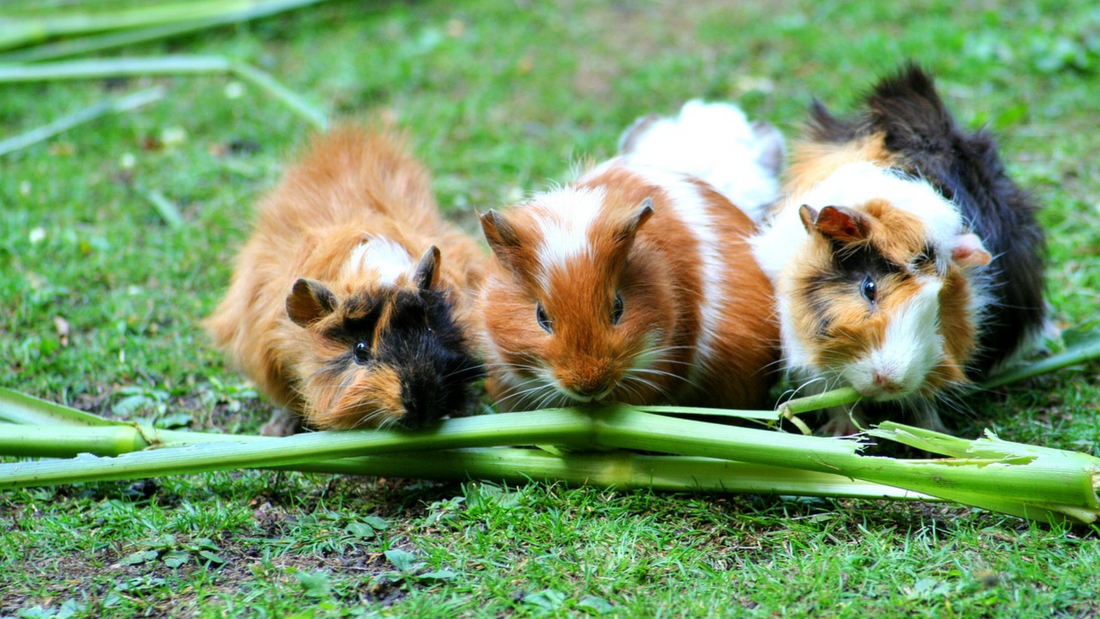
- Stringy fibers. The long strings can be a choking risk. They can also lodge between teeth.
- Gas or soft stools. Any new veggie can upset the gut if added too fast.
- Salt load. Celery has more sodium than many leafy greens.
- Calcium and oxalates. Celery is not high like spinach, but frequent large servings can add up.
Risk control tips:
- Peel or trim the strings and chop small.
- Start slow and watch stool shape and energy.
- Keep it as an occasional treat, not a daily dish.
- If your guinea pig has a history of bladder sludge or stones, offer less and talk with your vet.
If you still wonder, can guinea pigs eat celery without trouble, the answer is yes with careful prep and modest amounts.

How to feed celery: portions, prep, and schedule
The safest plan is simple and steady. When owners ask me, can guinea pigs eat celery in a routine plan, I suggest this method.
Portions and frequency:
- Serve 1 to 2 thin slices or a 1-inch piece, chopped.
- Offer 2 to 3 times per week at most.
- Add a small pinch of leaves if your guinea pig enjoys them.
Prep steps:
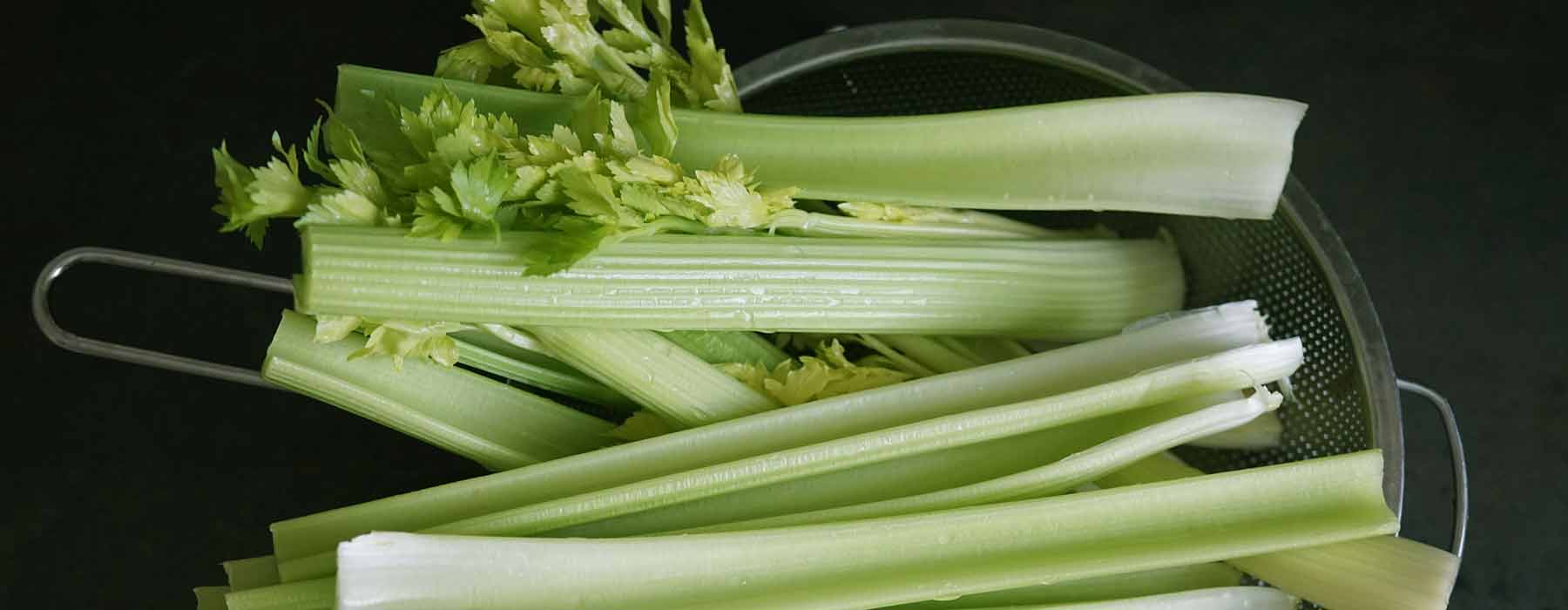
- Wash well. Celery often carries residues; rinse under running water.
- Remove strings with a knife or vegetable peeler.
- Cut into bite-size pieces to reduce choking risk.
Balanced plate:
- Hay should be the main diet all day.
- Feed a plain, timothy-based pellet with added vitamin C.
- Use high–vitamin C veggies daily, such as bell peppers and small amounts of cilantro.
If you are thinking, can guinea pigs eat celery as a vitamin C source, note that it is too low for that role. Pair it with bell pepper to meet daily needs.
Introducing celery step-by-step and what to monitor
A slow rollout helps the gut adjust. I use this approach with new foods.
Step-by-step plan:
- Day 1: Offer a tiny piece. Watch for normal poop and behavior.
- Day 3: If all is well, offer a slightly larger piece.
- Week 2: Settle on your routine serving size and days.
What to watch:
- Poop should stay firm, shaped, and steady in number.
- No lethargy, bloating, or reduced appetite.
- Check the mouth and teeth if you see odd chewing. Strings can snag.
Can guinea pigs eat celery if they are young or pregnant? Yes, but be extra careful with amounts. For young pigs, start tiny. For pregnant or stone-prone pigs, limit even more and focus on safer greens.
Celery vs other vegetables: better choices for vitamin C
Celery is fine for variety, but it is not a top nutrient pick. Here’s how it stacks up in a simple plan.
Try these options more often:
- Bell peppers. Excellent vitamin C with low sugar.
- Romaine and green leaf lettuce. Light and hydrating. Avoid iceberg.
- Cilantro. Tasty and helpful for variety, in small amounts.
- Cucumber. High water and gentle on the gut when fed in small amounts.
Use sparingly:
- Parsley and kale. Higher in calcium; good in tiny amounts.
- Spinach and beet greens. Higher oxalates; rotate in rarely.
Can guinea pigs eat celery and still meet vitamin C needs? Yes, if you anchor meals with bell peppers and use celery as a side.

Personal tips from years of guinea pig care
I have seen celery work well in many homes when owners keep it simple. Here are real-life notes that save trouble.
What works:
- Peel the strings every time. This removes most of the choking worry.
- Mix celery with bell pepper for a crisp, colorful dish.
- Offer it on warm days for a small hydration boost.
What to avoid:
- Do not feed celery seeds. They are potent and not safe for routine feeding.
- Do not rely on celery for vitamin C.
- Do not feed large, uncut ribs. Chop them into small, even bites.
Friends often ask, can guinea pigs eat celery without any prep? Technically yes, but removing strings and chopping small makes it much safer.

Buying, washing, and storing celery the right way
Smart handling raises safety and keeps flavor. It also lowers waste.
Best practices:
- Choose crisp, bright stalks. Avoid soft or split ribs.
- Wash under cold water and rub the ribs and leaves with your fingers.
- If budget allows, organic celery can reduce residue exposure.
- Store wrapped in foil or a vented produce bag in the fridge. This keeps it crisp longer.
One more time, can guinea pigs eat celery as a clean, safe treat? Yes, when you wash well, trim strings, and serve small.
Frequently Asked Questions of can guinea pigs eat celery
Can guinea pigs eat celery every day?
No. Keep celery to 2 to 3 times per week. Daily servings add extra sodium without enough vitamin C.
How much celery can a guinea pig eat at once?
Offer 1 to 2 thin slices or a 1-inch piece, chopped. Adjust down for small or sensitive pigs.
Are celery leaves safe for guinea pigs?
Yes, in small amounts. Leaves can be higher in calcium and taste strong, so keep portions tiny.
Can guinea pigs eat celery if they have bladder stone issues?
Use great caution or skip it. Focus on lower-calcium greens and ask your vet for a tailored plan.
What should I do if my guinea pig chokes on celery strings?
Remove the food, stay calm, and call your vet at once. Prevent future issues by peeling strings and cutting small.
Can baby guinea pigs eat celery?
They can try a tiny piece after they are used to hay and a few greens. Go slow and watch stool and appetite.
Conclusion
Celery can be a safe, crunchy treat when you serve it right. Keep pieces small, peel the strings, and offer it only a few times each week alongside hay, pellets, and high–vitamin C veggies. If you still wonder can guinea pigs eat celery without risk, the answer is yes in moderation and with smart prep.
Try the steps above this week and note how your guinea pig responds. Ready to learn more? Explore our other care guides, subscribe for updates, or drop a question in the comments.