

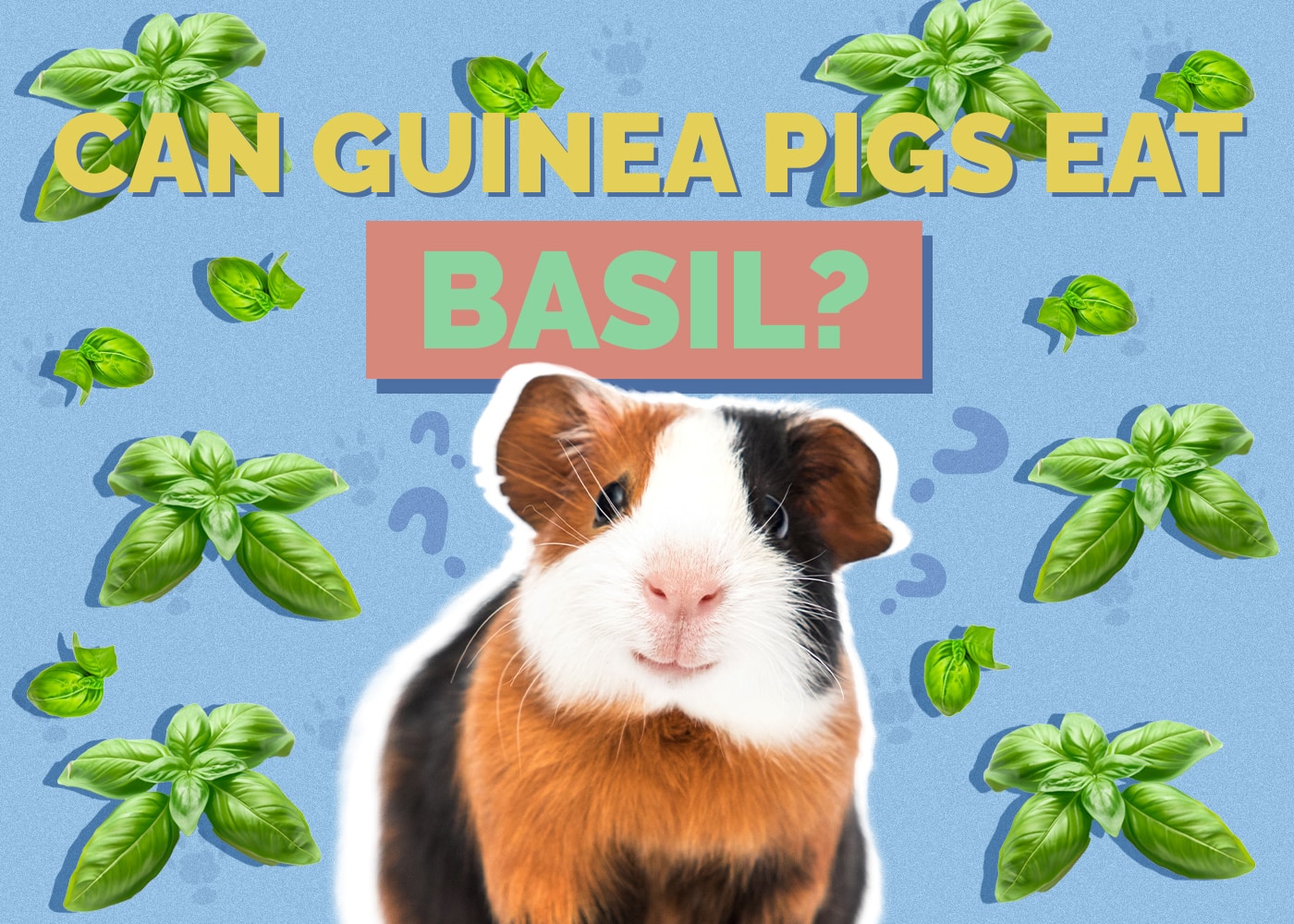
Yes, guinea pigs can eat basil in small, well-portioned amounts.
As a caretaker who has managed herds of picky eaters and curious chewers, I get asked this all the time: can guinea pigs eat basil safely, and how often?
This guide blends hands-on experience with small-mammal nutrition best practices to help you feed basil the right way. If you want a simple, research-backed plan that answers can guinea pigs eat basil without guesswork, you’re in the right place.
Can guinea pigs eat basil? Nutrition snapshot and why it matters
Basil is a soft, aromatic herb that many guinea pigs enjoy. It offers water, fiber, and helpful plant compounds.
It also contains small amounts of vitamin C, vitamin A, and vitamin K. But basil is not a main vitamin C source, and it does carry moderate calcium.
Key points you should know:
- Basil contributes variety and scent enrichment, which can boost appetite.
- It contains beneficial antioxidants like lutein and beta-carotene.
- Its essential oils are potent; too much can irritate sensitive guts.
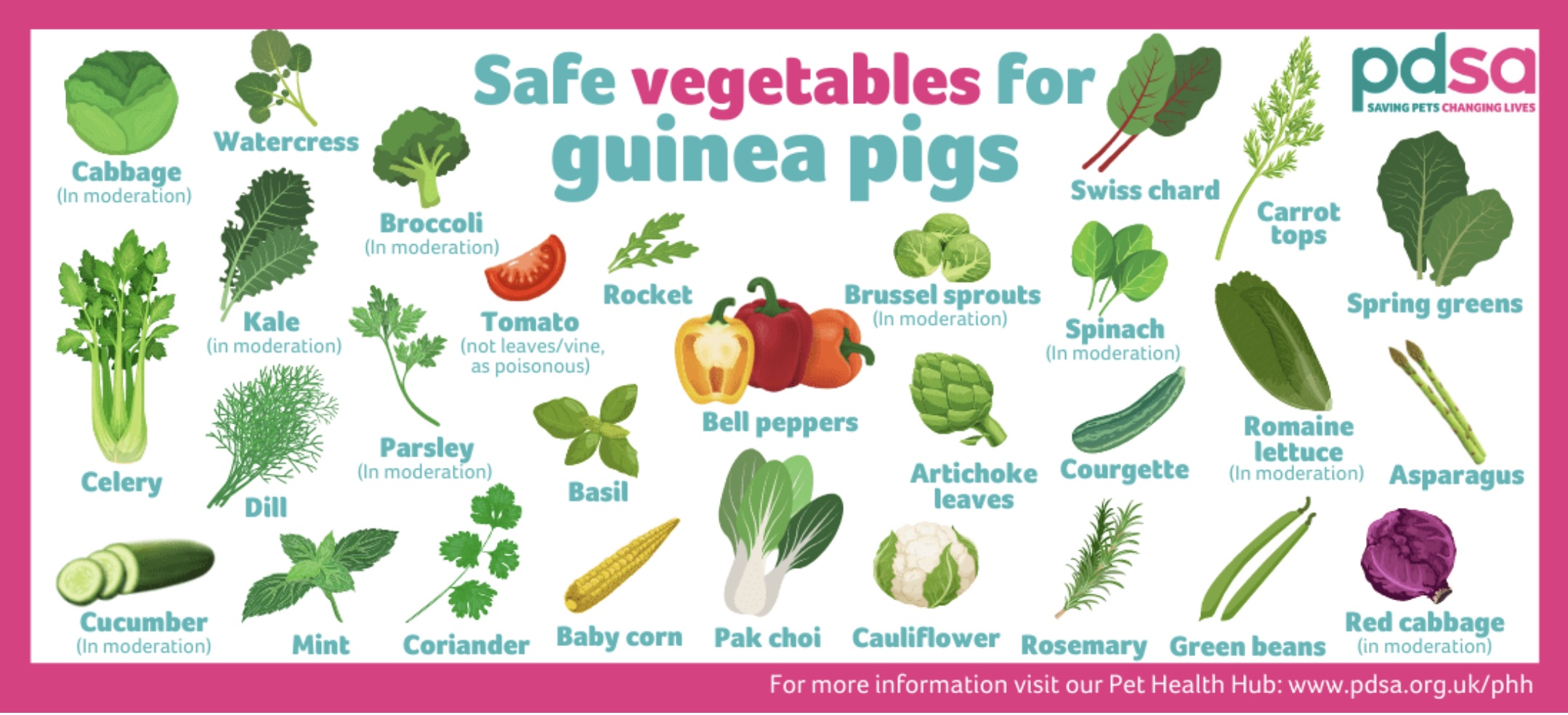
- Basil offers only a little vitamin C per typical serving, so you still need high–vitamin C foods like bell peppers and quality pellets.
From an evidence-based care view, can guinea pigs eat basil? Yes, but it works best as a garnish within a balanced veggie plan rather than a staple leaf like romaine or green leaf lettuce.
Benefits of basil for guinea pigs when fed correctly
When people ask “can guinea pigs eat basil,” they’re often hoping for benefits beyond taste. Fed in small portions, basil can help in several ways.
What basil can offer:
- Appetite and enrichment The fragrance can tempt shy or recovering pigs to nibble.
- Antioxidant support Basil contains polyphenols that help reduce oxidative stress.
- Hydration Fresh leaves add moisture to the daily veggie cup.
- Variety Rotating safe herbs may reduce boredom and picky habits.
Anecdote from my herd: I use a single basil leaf to “lead” new greens. My skittish boar once rejected red pepper until I tucked pepper slices under basil leaves. Two days later, he ate the pepper first.
Risks, limits, and how to avoid problems
Here is the balanced answer to can guinea pigs eat basil: yes, but with limits. Most issues come from overfeeding, dirty produce, or sudden diet changes.
Watch-outs to keep in mind:
- Digestive upset Large portions can cause soft stools or gas.
- Urinary risk Basil has moderate calcium, which can add up in stone-prone pigs.
- Sensitive noses Strong essential oils can overwhelm some guinea pigs.
- Pesticides Always wash well; choose organic when possible.
Practical limits that work well:
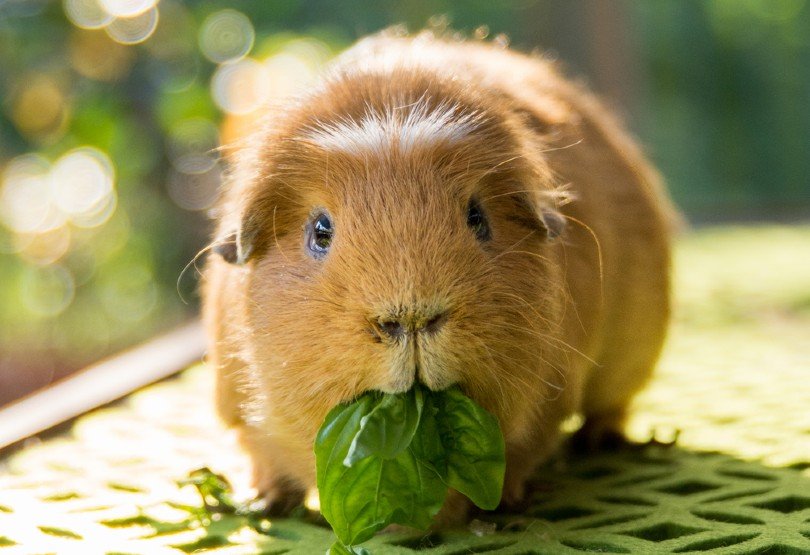
- Portion 1 to 2 small leaves per pig per serving.
- Frequency 2 to 3 times per week, not daily.
- Rotation Pair with low-calcium, high–vitamin C vegetables like red bell pepper, romaine, and cucumber.
If your guinea pig shows bloating, soft stools, or less appetite, pause basil, offer unlimited hay, and contact an exotics vet if symptoms persist.

How to introduce basil step by step
A careful start helps you learn how your pig’s gut reacts.
Follow these steps:
- Wash leaves under cool water and pat dry.
- Start with half a small leaf the first time.
- Offer it alongside usual greens, not on an empty stomach.
- Watch for changes in stools, behavior, or gas within 24 hours.
- If all is well, move to one small leaf next time.
Pro tip If your pig refuses new foods, rub a leaf along a favorite veggie so the scent transfers.
Serving sizes, frequency, and a simple weekly plan
Many readers search “can guinea pigs eat basil daily,” but daily is not ideal. Keep basil as a flavor accent.
Simple guidelines:
- Serving size 1 to 2 small basil leaves, about 3 to 5 grams total.
- Frequency 2 to 3 times weekly, spaced across the week.
- Daily greens About 1 cup mixed leafy greens per pig, focused on low-calcium bases.
Sample weekly herb rotation:
- Monday Cilantro with romaine, plus red bell pepper
- Wednesday Basil leaves with green leaf lettuce and cucumber
- Friday Dill or mint with romaine, plus a small cherry tomato
- Sunday Basil again if stools are normal and urine is clear
This pattern honors the rule that can guinea pigs eat basil in moderation, not as a staple.
Types of basil: which are safe, which to limit
Variety can be fun as long as you stay within safe limits.
Generally safe in small portions:
- Sweet or Genovese basil Classic grocery-store basil
- Thai basil Slightly spicier; offer fewer leaves due to stronger oils
- Lemon or lime basil Citrusy scent, still use sparingly
- Purple basil Nutrients are similar; the color comes from anthocyanins
Use caution or avoid:
- Dried basil More concentrated; skip or use a tiny pinch only on rare occasions
- Prepared foods Pesto, oils, marinades, and salted or seasoned basil are not safe
No matter the type, the same rule applies can guinea pigs eat basil in small, fresh, washed amounts.
Basil vs other herbs: how it stacks up
When comparing herbs, it helps to think about calcium and essential oils.
How basil compares:
- Cilantro Lower calcium, good vitamin C, often a better frequent herb
- Parsley Very high calcium; best as an occasional treat for healthy adults
- Mint Potent menthol; useful in tiny amounts for variety only
- Dill Fragrant and popular; use modestly like basil
When asked can guinea pigs eat basil or cilantro, I suggest cilantro more often, with basil as a fun rotation item.
Special cases: babies, seniors, and stone‑prone pigs
Different life stages call for a tailored plan.
Tips by group:
- Young guinea pigs After they are eating hay and starter greens well, offer a tiny basil piece. Build up slower than with adults.
- Senior guinea pigs Monitor stools and hydration closely; fragrant herbs can spark appetite, but keep portions small.
- Stone‑prone pigs Emphasize very low-calcium greens. You can still offer a small basil leaf on rare occasions if urine is clear and your vet agrees.
The golden rule is unchanged can guinea pigs eat basil only in careful amounts, adjusted to health history.
Real-world troubleshooting: what I do if things go wrong
If basil upsets the tummy, act early.
My checklist:
- Stop basil for at least a week.
- Offer unlimited hay and fresh water.
- Keep pellets steady; do not add new foods.
- Check urine for white, chalky residue and watch for pain when peeing.
- Call an exotics vet if signs persist beyond 24 hours or your pig seems lethargic.
As a handler, I’ve seen soft stools clear within a day when basil was the only new item. That said, recurring issues need professional care.
Safe prep, storage, and smart shopping
A few small habits reduce risk and waste.
Best practices:
- Choose fresh, perky leaves without dark spots.
- Wash under running water to remove residues.
- Store stems like a bouquet in a jar with water, covered loosely, in the fridge door.
- Serve at room temperature to protect sensitive teeth.
Remember, can guinea pigs eat basil that is wilted or old? Skip it. Freshness makes digestion easier.
Frequently Asked Questions of can guinea pigs eat basil
Can guinea pigs eat basil every day?
No. Keep basil to 2 or 3 times per week. Daily feeding raises calcium and essential oil exposure.
How much basil can a guinea pig eat at once?
Offer 1 to 2 small leaves per pig. That is enough for flavor and enrichment without stressing digestion.
Can baby guinea pigs eat basil?
Yes, but start very small after they handle basic greens well. Watch stools and introduce slowly.
Is Thai basil safe for guinea pigs?
Yes, in tiny portions. Thai basil is stronger, so use fewer leaves and watch for tummy upset.
Can guinea pigs eat basil stems and flowers?
Leaves are best. Soft stems and a small flower are generally fine if washed, but keep portions small.
Does basil replace vitamin C in a guinea pig’s diet?
No. Basil has some vitamin C but not enough. Use daily vitamin C sources like bell peppers and fortified pellets.
Conclusion
Basil can be a fragrant, fun accent in your guinea pig’s veggie bowl. The simple formula works best wash well, serve 1 to 2 small leaves, rotate with low-calcium greens, and watch your pig’s cues. When used this way, can guinea pigs eat basil with confidence? Yes, as a thoughtful, occasional treat.
Try a small basil leaf this week and note how your pig responds. If you found this guide helpful, share it with a fellow cavy parent, subscribe for more care tips, or leave a question in the comments so we can help your herd thrive.