

Yes, guinea pigs can eat grapes, but only as a tiny, rare treat.
If you have ever asked can guinea pigs eat grapes, you are not alone. I have helped many owners build safe diets for small pets.
In this guide, I explain what grapes offer, the risks, and the right way to serve them. Read on to learn how can guinea pigs eat grapes without harming their health.

Are Grapes Safe for Guinea Pigs?
Yes, but only in small amounts. The short answer to can guinea pigs eat grapes is yes, but not every day. Grapes are high in sugar and have little vitamin C, so they do not meet core needs. Think of grapes as a special reward, not a staple.
Grapes are not known to be toxic to guinea pigs. The bigger issue is sugar. Too much sugar can upset the gut and lead to weight gain. This is why moderation matters.
Clean, seedless, and sliced grapes reduce choking risks. Always wash them well to remove pesticide residue. A safe diet still depends on hay, vitamin C rich veggies, and a measured pellet.
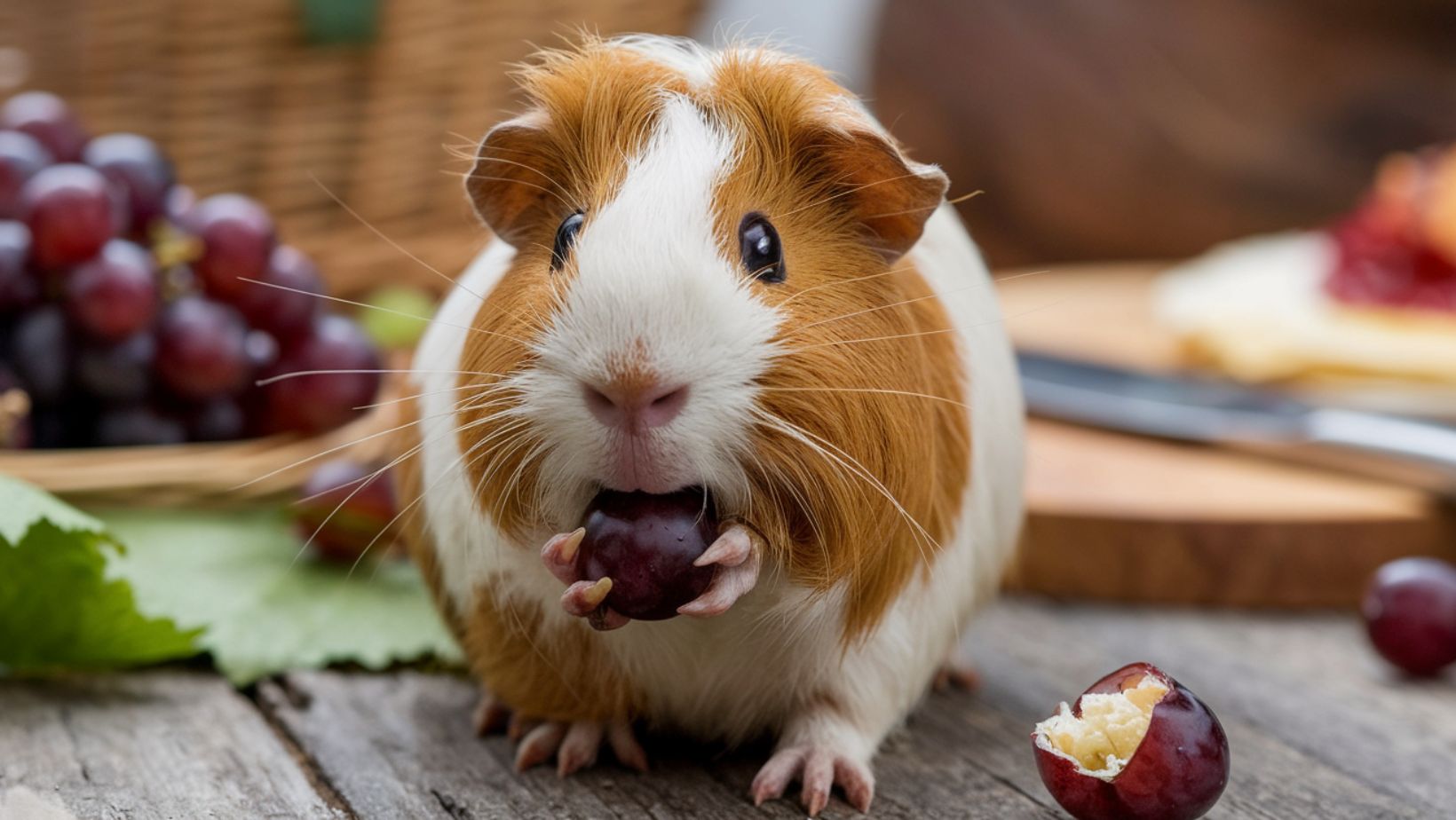
Nutrition Facts: Grapes and Guinea Pigs
When you ask can guinea pigs eat grapes, it helps to look at the nutrients. Grapes are mostly water and sugar. They have very little vitamin C compared to what guinea pigs need each day.
Key points per 100 grams of grapes:
- Water: about 80 percent. This helps hydration but is not a key nutrient.
- Sugar: about 15 grams. This is high for a tiny pet.
- Vitamin C: about 3 to 4 milligrams. Adult guinea pigs need much more.
- Fiber: under 1 gram. Guinea pigs need high fiber from hay.
- Minerals: low calcium and phosphorus. That is good for bladder health but does not add much value.
These facts show why grapes are treats. They do not replace bell peppers or leafy greens. They only add variety and a bit of joy.

Potential Benefits in Small Amounts
So, can guinea pigs eat grapes and gain any benefit? A little, yes. Small pieces can add variety and enrich feeding time. The taste and scent help with training and bonding.
Grapes are juicy, so they add moisture. This can tempt picky eaters to try new foods. The skin has antioxidants, but we do not have strong data for guinea pig benefits. Use grapes for enrichment, not as a health booster.
When treats are rare and well prepared, they fit into a balanced plan. This keeps your pet’s gut calm and happy.

Risks, Side Effects, and When to Avoid Grapes
It is fair to ask again: can guinea pigs eat grapes without risk? Only if you keep portions tiny and rare. The main risk is sugar. Too much sugar can cause soft stools, gas, or diarrhea.
Seeds can be a choking hazard. Choose seedless grapes and slice them. Pesticide residue can also irritate the gut. Wash well and pat dry.
Avoid grapes if your guinea pig is overweight, has past digestive issues, or needs a strict low sugar plan. Do not feed raisins. They are dehydrated, very sweet, and sticky. They can cause tummy trouble fast.
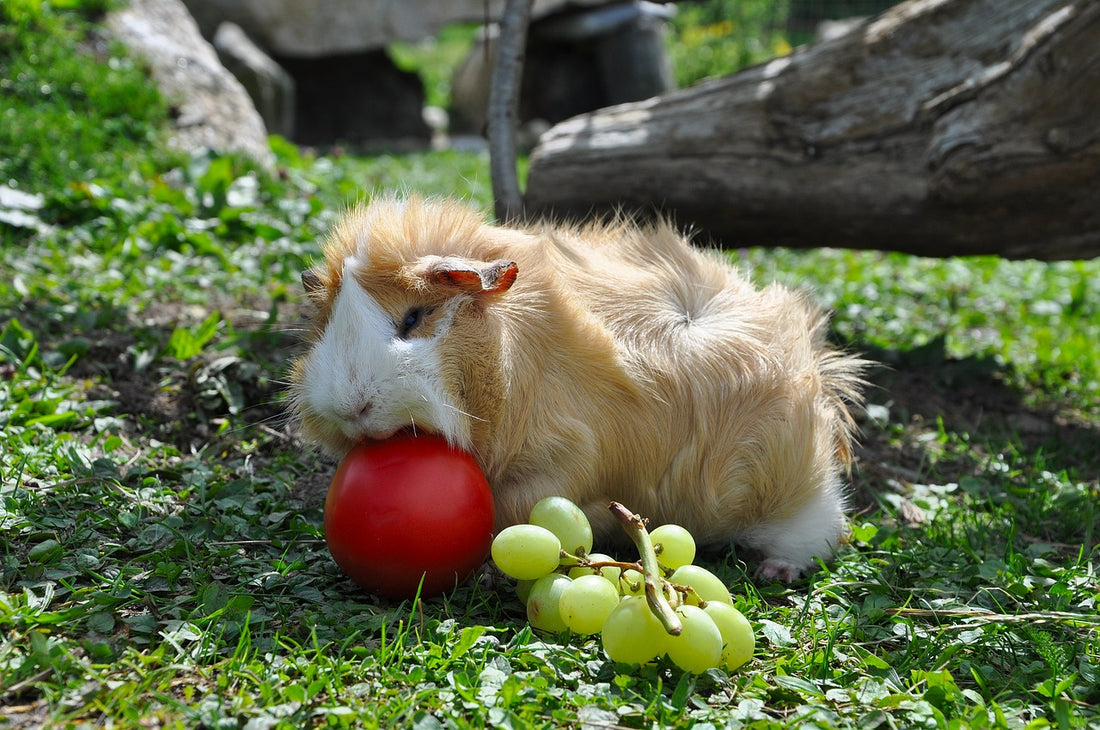
How to Feed Grapes Properly?
If you plan to try, can guinea pigs eat grapes safely with good steps? Yes. Follow this simple method to lower risks.
Steps to serve:
- Pick ripe, seedless grapes.
- Wash under running water and dry.
- Slice into halves or quarters to reduce choking.
- Offer on a clean dish, not by hand if your pet lunges.
- Remove leftovers after one hour to keep the cage clean.
Start slow. Try a single small piece and watch stools for 24 hours. If stools stay firm and your pet acts normal, you can use grapes as an occasional treat.
End each treat session with fresh hay. Hay keeps the gut moving and balances sugar.
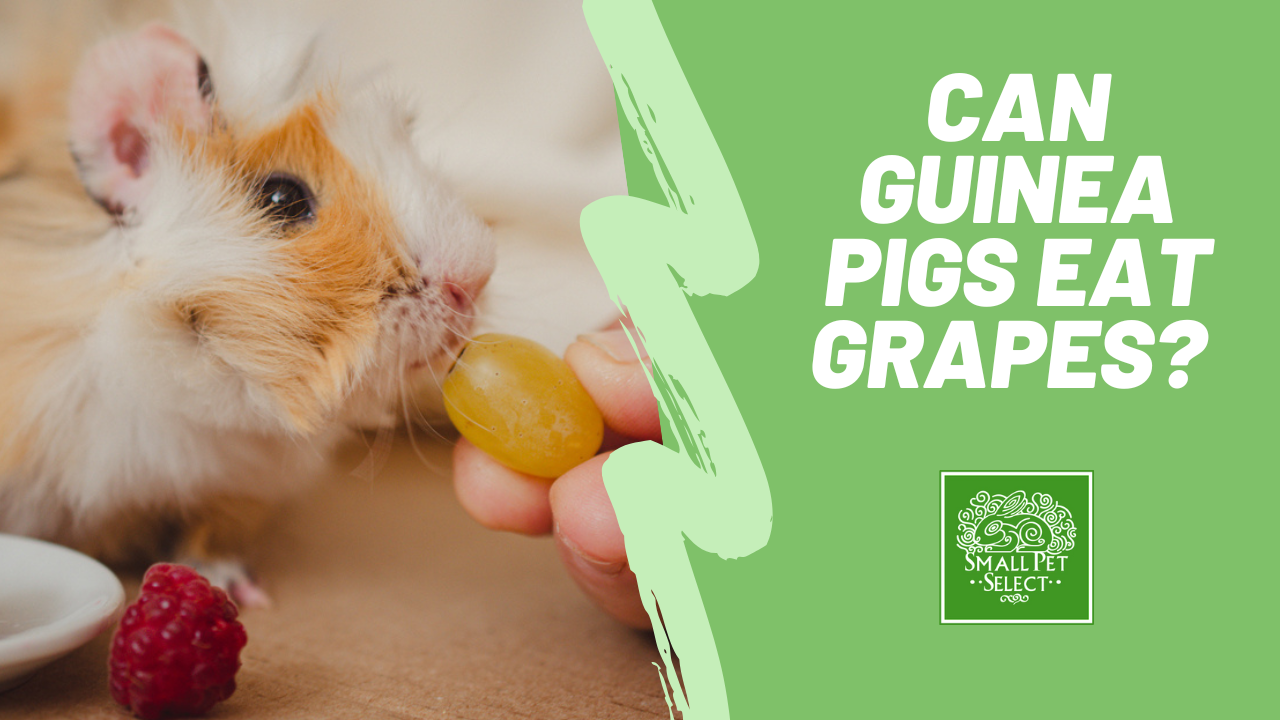
Source: smallpetselect.com
Serving Size and Frequency
A common search is can guinea pigs eat grapes every week. They can, but only a little. For most adults, offer one small grape, sliced, once a week. Twice a week is the upper limit, and only if stools stay normal.
For young guinea pigs, offer a quarter to a half grape at most. Wait until they tolerate greens well. For seniors or overweight pets, give smaller portions or skip grapes. Health comes first.
Keep a simple rule. Tiny piece, not often, and never on back‑to‑back days.

Healthier Treat Alternatives
Owners ask can guinea pigs eat grapes or pick better treats. Better treats exist. They are lower in sugar and higher in vitamin C. These fit daily menus well.
Great options:
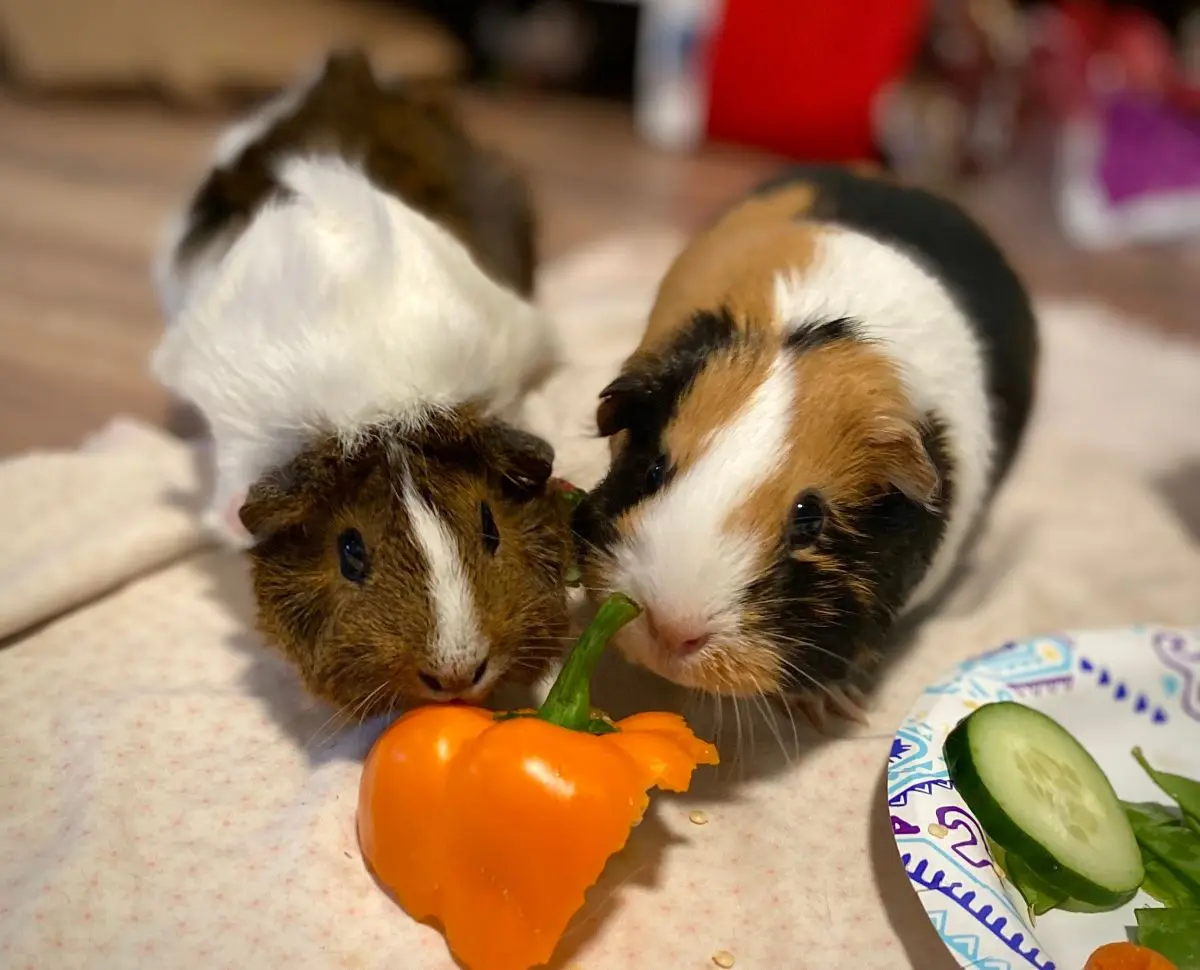
- Bell peppers of any color. This is the top vitamin C source for guinea pigs.
- Cilantro, parsley, and small amounts of dill.
- Romaine, green leaf, or red leaf lettuce. Avoid iceberg.
- Cucumber slices for crunch and water.
- A thin slice of kiwi or strawberry as a sweeter treat.
- A tiny orange segment on rare days.
Mix these across the week. Your pet gets balance, crunch, and color. Grapes can still show up, but less often.
Watch For These Warning Signs?
Even with care, can guinea pigs eat grapes and have issues? It can happen. Watch closely after each new food.
Call your vet if you see:
- Soft stools or diarrhea that lasts more than a day.
- Bloating, gas, or hunched posture.
- Lethargy or a drop in appetite.
- A wet chin or drooling.
- Signs of pain when touched.
Stop grapes if any sign appears. Offer hay and water only until stools normalize. Fast action prevents larger problems.
What I’ve Learned From Years of Guinea Pig Care
From my own cases, can guinea pigs eat grapes without trouble? Yes, when I kept the portions tiny. I used one grape slice as a high value reward during nail trims. It helped shy pigs relax.
Once, I tested two slices for a large boar named Pippin. He had soft stools the next day. Lesson learned. Now I cap grapes at a single small piece per pig. I also wait a full week before the next treat. This simple change kept every foster steady and bright.
Your pig is unique. Track what works. Write down any changes in a simple log so you can spot patterns fast.
Frequently Asked Questions of can guinea pigs eat grapes
Are red or green grapes better?
Both are fine if seedless and well washed. Red grapes may have more antioxidants, but the sugar load is the same, so keep portions small.
Can guinea pigs eat grape skins?
Yes, the skin is safe and holds fiber and antioxidants. Wash well to remove residue and always slice to reduce choking risk.
Are seeded grapes safe if I remove the seeds?
It is safer to buy seedless grapes. If you only have seeded grapes, remove every seed and cut the flesh into small pieces.
Can guinea pigs eat raisins?
No. Raisins are very high in sugar and can cause fast tummy upset. Stick to fresh grapes only and keep portions tiny.
Can guinea pigs drink grape juice?
No. Juice is concentrated sugar without fiber. It can spike gut issues and add empty calories.
How many grapes can a guinea pig eat per week?
One small grape, sliced, once a week is enough. Twice a week is the max if stools stay normal.
Can baby guinea pigs have grapes?
Wait until they handle leafy greens well. Then try a very small piece and watch the stools for a day.
Conclusion
Grapes can be a fun, juicy treat, but they are not a daily food. Can guinea pigs eat grapes and stay healthy? Yes, if you keep portions tiny, choose seedless, slice well, and serve rarely. Focus on hay, bell peppers, and leafy greens to hit vitamin C and fiber goals.
Use grapes for training or bonding, not for nutrition. Try the steps above this week, log your pet’s reaction, and adjust. Want more small pet care tips? Subscribe for updates or ask a question in the comments.