

They are South American rodents; “guinea” came from trade lingo, “pig” from looks and sounds.
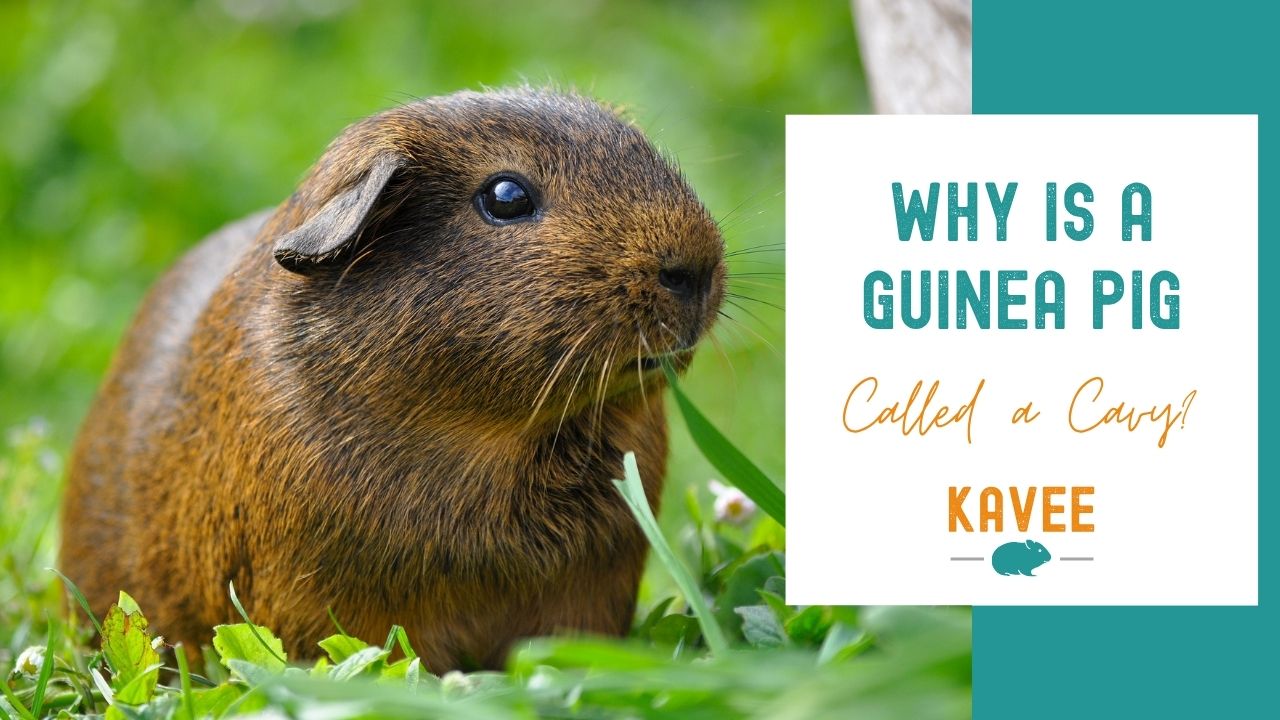
Curious minds often ask why are guinea pigs called guinea pigs. I study pet history, language, and care, and I see this myth pop up a lot.
The answer blends travel, trade, and words. Stay with me and you will learn the real story, plus how to explain it with ease.

Where the animal comes from?
Guinea pigs are native to the Andes. People in Peru, Bolivia, and Ecuador bred them thousands of years ago. Their scientific name is Cavia porcellus. Spanish ships took them to Europe in the 1500s.
They became popular pets fast. They bred well on long sea trips. Artists in Europe were painting them by the 16th century. This history is key to why are guinea pigs called guinea pigs.
Why “guinea” ended up in the name?
The word “guinea” did not come from their home. It came from how early buyers spoke. Several ideas help explain it.
- Guinea as a trade label. English speakers used “Guinea” for far-off places linked to sea trade. It did not always mean the African region we think of now. Merchants tossed the term around for exotic goods.
- The Guinea Coast link. Ships that moved animals and goods often used West African routes. Names stuck to goods even if they did not start there.
- The Guiana confusion. Some maps wrote Guiana or Guayana for parts of northern South America. Sailors may have blurred Guiana and Guinea in speech.
- The coin theory. Some later writers said a “guinea” coin price set the name. But the coin came into use after the animal hit Europe. This theory is neat, but it is weak.
Records in English show forms like “ginny pig” and “guinea-pig” by the 17th century. The word “guinea” was a casual tag for imports. That is the best fit when we ask why are guinea pigs called guinea pigs.

Why people added “pig”?
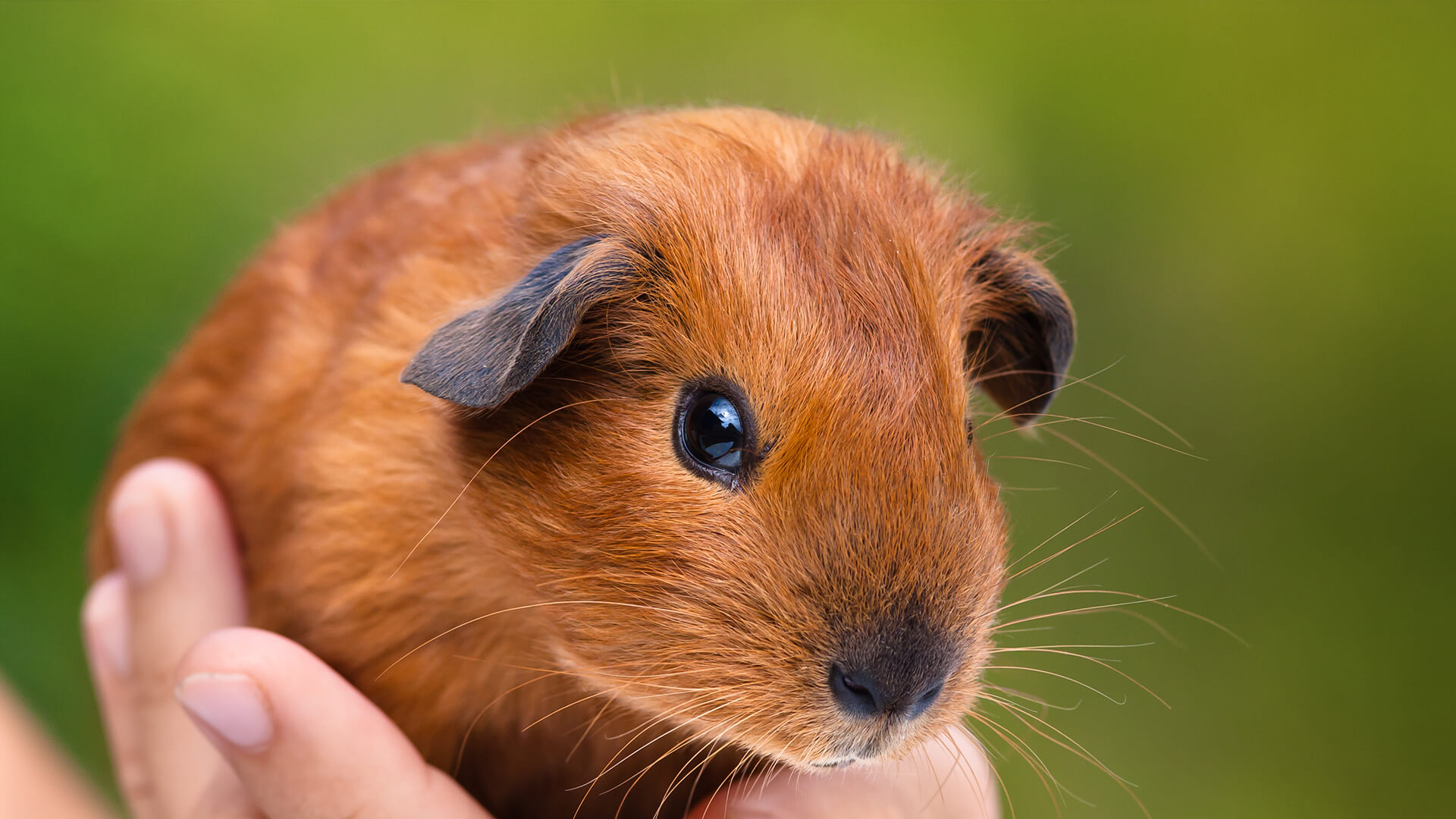
They are not pigs. Yet the pig part made sense to early pet keepers. People used names that fit what they saw and heard.
- Body shape. They are round and stout, like tiny hogs.
- Sounds. They squeal, wheek, and grunt. The noises can sound pig-like.
- Eating style. They root and nibble, nose to the ground.
- Herd feel. They thrive in groups and follow a leader, like farm stock.
Many languages made the same link. The animal looked and sounded like a small pig. So the label stuck. This answers part of why are guinea pigs called guinea pigs.
Trade routes and the name’s journey to English
The path went from the Andes to Spain and Portugal, then across Europe. Spanish speakers called them conejillo de Indias. That means little rabbit from the Indies. “Indies” then covered the Americas in common speech.
French speakers said cochon d’Inde. German speakers said Meerschweinchen, or sea little pig. Sea in that term nods to ship travel. English blended the ideas. Exotic place plus pig shape became “guinea pig.” This is the heart of why are guinea pigs called guinea pigs.

The name across languages
Names show how people saw the animal.
- Spanish: conejillo de Indias. Little rabbit of the Indies.
- French: cochon d’Inde. Pig of the Indies.
- German: Meerschweinchen. Sea little pig.
- Dutch: Guinees biggetje. Guinea piglet.
- Portuguese: porquinho-da-Índia. Little pig of the Indies.
- Quechua and Aymara: cuy or quwi. A native name still used today.
Each name ties to trade or looks. None place the origin in Guinea. This also frames why are guinea pigs called guinea pigs in English.
Field notes and tips from my work with cavies
In pet classes, kids ask me, “Are they from Guinea?” I smile and say no. I tell them they come from the Andes. I explain ships, trade words, and the pig-like sounds. The story lands fast when I play a wheek clip.
Practical tips you can use:
- Keep it simple. Say, “They look and squeal like pigs. Traders used ‘guinea’ for imports.”
- Show a map. Point to Peru and the sea routes to Europe.
- Compare names. Share cochon d’Inde and Meerschweinchen. It makes the idea stick.
- Be clear on myths. The coin price story sounds fun, but lacks proof.
These talking points help you answer why are guinea pigs called guinea pigs in a way people remember. I use them at shelters and school visits. They work well.
Myths vs facts about the name
Let’s sort common claims from what we know.
- Myth: They came from Guinea. Fact: They are from the Andes in South America.
- Myth: They are real pigs. Fact: They are rodents, related to capybaras and chinchillas.
- Myth: A guinea coin named them. Fact: The coin came later. Evidence is thin at best.
- Myth: Sea travel made them “sea pigs,” then “guinea pigs.” Fact: Sea travel shaped German terms, but English drew on several threads.
When someone asks why are guinea pigs called guinea pigs, share these quick facts. They clear up most confusion fast.
How this history helps you care for them?
Names can guide care. They are not pigs, so avoid pig diets. They need hay, fresh greens, and vitamin C. They do not make their own vitamin C, like humans.
They are social, like herd animals. Keep them in pairs or groups. Give them space to run and hide. Knowing their true roots can shape kind, smart care. You can answer why are guinea pigs called guinea pigs and care for them better at the same time.
Frequently Asked Questions of why are guinea pigs called guinea pigs
Why are guinea pigs called guinea pigs if they are not from Guinea?
The “guinea” part likely came from trade slang or a mix-up with Guiana. It signaled an exotic import rather than a true place of origin.
Why are guinea pigs called guinea pigs when they are rodents, not pigs?
People named them for what they saw and heard. They are round and squeal like pigs, so the label felt right.
Where do guinea pigs really come from?
They come from the Andes in South America. People there domesticated them long before Europeans saw them.
Is the guinea coin the reason for the name?
That story lacks solid proof. The coin rose later than the animal’s arrival in Europe, so the timing does not fit well.
Do other languages also call them pigs?
Yes. French says pig of the Indies, and German says sea little pig. Many languages linked the animal to pigs by sight and sound.
Why are guinea pigs called guinea pigs in English but “cuy” in South America?
English used trade words and pig-like traits. Andean languages kept native names like cuy, which reflect local culture and history.
Why are guinea pigs called guinea pigs so often in pet shops?
It is the common English name that buyers know. Pet shops keep familiar names for clarity, even if the label is not scientific.
Conclusion
Now you can explain why are guinea pigs called guinea pigs with confidence. The name blends trade slang, a geographic mix-up, and a simple nod to their pig-like look and voice. It is a travel story wrapped in a tiny, squeaky pet.
Use this story to teach kids, debunk myths, and spread better care. Share it with a friend, explore more pet history, or subscribe for weekly guides. Want more deep-dive posts like this? Leave a comment with your next question.