

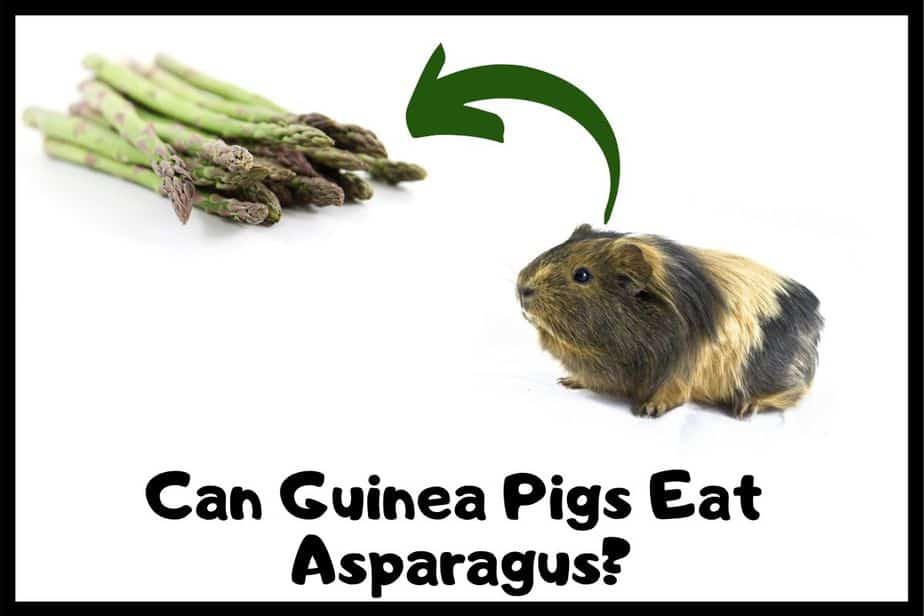
Yes, guinea pigs can eat asparagus in small, raw portions a few times weekly.
If you are asking can guinea pigs eat asparagus, you want clear, safe steps you can trust. I have raised many guinea pigs and worked with owners who care about clean diets.
In this guide, I explain how asparagus fits a balanced menu, when to avoid it, and the best way to serve it for happy, healthy pigs.

What Makes Asparagus Safe For Guinea Pigs?
Can guinea pigs eat asparagus safely? Yes, when it is raw, fresh, and fed in small amounts. Asparagus is low in sugar, high in water, and offers fiber. It also has vitamin C, which guinea pigs must get from food.
A healthy guinea pig diet is mostly hay. Hay supports teeth and gut health. Fresh greens add variety and vitamins. Asparagus can be part of that mix, but it should not replace leafy greens like romaine or bell pepper.
Asparagus has some calcium. The level is moderate, not high. This is fine for most pigs, but portion control matters. Too much calcium may raise the risk of bladder sludge or stones in sensitive pigs. Can guinea pigs eat asparagus and avoid risk? Yes, if you keep portions small and rotate with other greens.

Health Benefits When Served Right
Can guinea pigs eat asparagus and gain benefits? They can, when it is served the right way. The fiber supports a steady gut. The water content helps hydration, which is key for urinary health.
Asparagus has vitamin C, though not as much as bell pepper. It still helps your daily mix. The crisp texture also adds foraging fun and mental enrichment.
From my own herd, I saw better engagement at veggie time when I added thin asparagus slices. They sniffed, nibbled, and wheeked for more. I kept it small and mixed with herbs to keep stools firm and tummies calm.

Risks, Side Effects, And When To Avoid
Can guinea pigs eat asparagus without issues? Most can. But some pigs are more sensitive. Asparagus can cause gas if you feed too much or add it too fast. That may lead to bloating or soft stools.
Asparagus contains moderate calcium and small amounts of natural oxalates. If your pig has a history of stones or sludge, be careful. Watch urine for chalky residue. Pause asparagus if you see signs.
Other risks are easy to avoid. Never feed cooked, canned, or seasoned asparagus. Salt and heat are harmful. Do not offer woody ends, as they are tough and can be hard to chew.

How To Serve Asparagus To Guinea Pigs The Right Way?
Can guinea pigs eat asparagus raw? Yes, and raw is the only safe way. Follow these steps for a smooth intro.
- Pick thin, young spears. They are tender and easier to digest.
- Wash well under running water. Remove dirt and reduce pesticide residue.
- Trim the woody base. Use only the tender stalks and tips.
- Slice into bite-size pieces. Think 1-inch segments or thin coins.
- Serve a small amount at first. Mix with leafy greens like romaine or cilantro.
- Remove leftovers after an hour. Fresh, clean bowls help prevent tummy upsets.
If your pig is new to asparagus, start tiny. Offer one or two small pieces. Wait 24 hours. Check poop and behavior before offering more.
Portion Sizes And Feeding Frequency Explained
Can guinea pigs eat asparagus every day? No. Keep it as a treat, not a staple. A good serving is 5–10 grams per pig. That looks like 2–4 thin slices or 1–2 small segments.
Feed asparagus 1–2 times per week on non-consecutive days. Rotate it with lower-calcium greens. If your pig has stone risk, feed less often or skip it. Always watch urine and poop for changes.
Use this simple rule: small portions, slow changes, steady checks.

Smart Veggie Rotation And Alternatives
Can guinea pigs eat asparagus and still keep a balanced diet? Yes, when you rotate. Think of asparagus as one color on a big palette.
Great options to rotate with asparagus:
- Bell peppers: Top source of vitamin C with low calcium.
- Romaine, green leaf lettuce, and red leaf lettuce: Hydrating, crisp, and light.
- Cilantro and parsley: Herbs for aroma; keep parsley modest due to calcium.
- Zucchini and cucumber: High water; feed in small amounts to avoid loose stools.
- Green beans: Occasional treat, small portions only.
Skip iceberg lettuce. It adds little nutrition. Keep high-calcium greens, like kale, as rare treats unless advised otherwise.
Signs Your Guinea Pig Is Not Tolerating Asparagus
Can guinea pigs eat asparagus without upset? Most can, but always watch for warning signs.
- Soft or mushy poop: Reduce or pause asparagus and add extra hay.
- Bloating or less appetite: Stop asparagus and call your vet if it persists.
- Chalky urine or discomfort when peeing: Avoid calcium-heavy foods and seek vet advice.
- Lethargy or hunching: This is urgent. Seek care right away.
Early signs are your friend. When in doubt, pause and reassess.
Evidence Check And Expert Guidance
Can guinea pigs eat asparagus with vet support? Yes, within balanced feeding rules. Herbivores like guinea pigs need about 80% hay, with a small daily salad for vitamins and hydration. Asparagus fits as a rotation item.
Asparagus is about 93% water. It offers fiber and small amounts of vitamin C. It also has moderate calcium per 100 grams. This is why portion control matters. The best practice is to feed a tiny amount, watch the response, and rotate with vitamin C-rich, lower-calcium greens.
When I worked with anxious new owners, we used a simple track-and-test approach. Log each new veggie, offer a small amount, and check stools and energy within 24 hours. This method keeps your pigs safe while adding fun variety.
Frequently Asked Questions of can guinea pigs eat asparagus
Can guinea pigs eat asparagus every day?
No. Keep asparagus to 1–2 times per week. Daily servings can raise the risk of gas or urinary issues.
Should asparagus be raw or cooked?
Raw only. Cooking removes nutrients and adds risk. Avoid canned, frozen with salt, or seasoned asparagus.
How much asparagus can a guinea pig eat at once?
Offer 5–10 grams per pig. That is 2–4 thin slices or 1–2 small segments, mixed with other greens.
Can baby guinea pigs eat asparagus?
Yes, in tiny amounts after they eat hay and basic greens well. Introduce slowly and watch for soft stools.
Are asparagus tips or stalks better?
Use tender tips and thin stalks. Avoid woody ends, which are hard to chew and digest.
Can guinea pigs eat white or purple asparagus?
Yes, in the same small portions as green asparagus. Keep it raw, washed, and free of seasonings.
Is canned or frozen asparagus safe?
No. Canned and seasoned types can contain salt or additives. Frozen is okay only if plain and thawed, but raw fresh is best.
Will asparagus change my guinea pig’s urine smell?
It can, due to natural sulfur compounds. A stronger smell alone is not harmful, but watch for discomfort or sludge.
What if my guinea pig has bladder stones?
Skip asparagus or feed very sparingly with vet guidance. Focus on low-calcium greens and steady water intake.
Can guinea pigs eat asparagus and bell pepper together?
Yes. This is a good combo because bell pepper boosts vitamin C while asparagus adds variety.
Conclusion
As a fresh, raw, and modest treat, asparagus can add variety, hydration, and fiber to your guinea pig’s diet. Keep portions small, start slow, and rotate with vitamin C-rich greens for balance.
When you ask can guinea pigs eat asparagus, the best answer is yes with care, control, and close observation.
Try a tiny serving this week, track your pig’s response, and build a simple veggie rotation that works. Want more practical feeding guides? Subscribe for updates, ask a question, or share your experience in the comments.