

Below 60°F (15.5°C) is too cold; under 50°F becomes dangerous fast.
If you have ever wondered what temperature is too cold for guinea pigs, you are in the right place. I have cared for many guinea pigs in homes and rescues, and cold snaps are the most common risk I see.
Here, I will explain how temperature affects their bodies, how to read warning signs, and how to keep your pets safe. You will leave clear on what temperature is too cold for guinea pigs and what to do when the mercury drops.
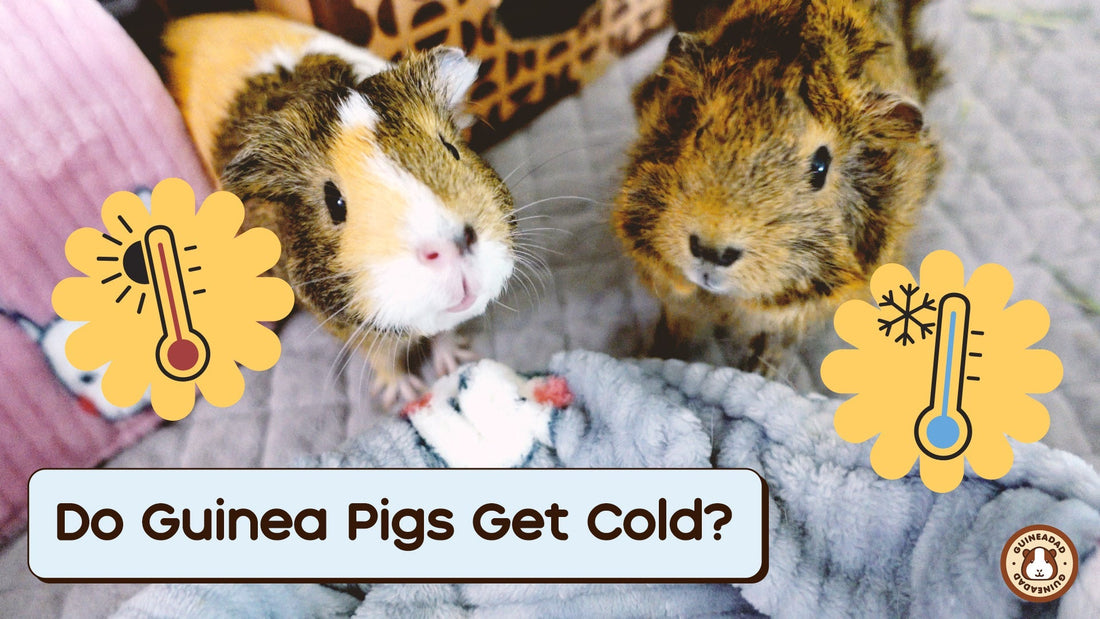
What temperature is too cold for guinea pigs? Safe ranges at a glance
Guinea pigs do best between 65°F and 75°F. They can handle short dips to 60°F, but that is the caution zone. Below 60°F is too cold for most pigs, and the risk climbs fast the lower you go.
Use these quick ranges:
- 75°F to 80°F: Warm. Watch for heat stress.
- 65°F to 75°F: Ideal comfort zone.
- 60°F to 65°F: Caution. Add bedding and block drafts.
- 50°F to 60°F: Too cold for many pigs. Increase heat support.
- Below 50°F: Dangerous. Hypothermia and illness can develop.
- Below 45°F: Emergency risk, especially with damp or wind.
What temperature is too cold for guinea pigs depends on age, health, and humidity. Babies, seniors, single pigs, thin pigs, and sick pigs struggle sooner. Drafts and damp bedding make 58°F feel like 45°F to a small body. Keep rooms steady, dry, and draft free.
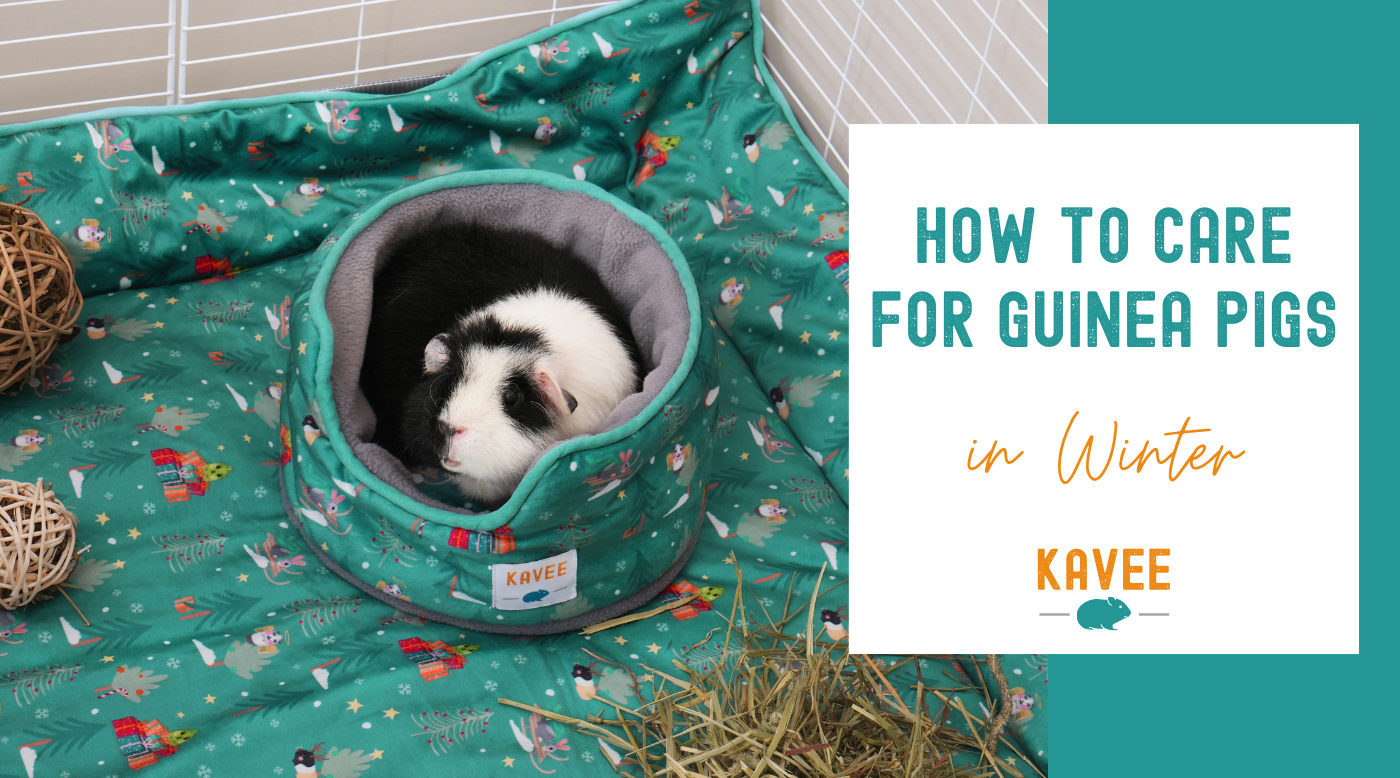
Why cold hurts guinea pigs?
Guinea pigs do not hibernate and have limited ways to hold heat. They lose warmth fast through their ears, feet, and breath. When the body is cold, the immune system slows. That is why colds and pneumonia spike in winter.
Cold stress can cause:
- Hypothermia. Body temperature drops below safe levels.
- Respiratory infections. Cold, damp air helps germs spread.
- Gut slowdown. Less movement means gas and poor appetite.
- Pain. Arthritis flares in older pigs.
- Dehydration. Water bottles can chill or freeze, so pigs drink less.
Expert guidelines match what I see in rescue. The deeper the cold, the faster pigs decline. This is why knowing what temperature is too cold for guinea pigs is vital before winter sets in.

Clear signs your guinea pig is too cold
Cold stress can be easy to miss. Watch for small changes before they turn big.
Common signs:
- Fluffed fur, hunched posture, or tucking feet under the body
- Shivering, trembling, or teeth chattering
- Slow movement or hiding more than usual
- Cool ears, cool feet, or a cold belly
- Reduced water intake or softer poops
- No interest in food or hay
A quick check I use:
- Feel the ears and feet. They should be warm, not cool.
- Look at the coat. Fluffed fur means heat loss.
- Count breaths. Very slow or very fast can both be bad.
If you wonder what temperature is too cold for guinea pigs in your home, let their behavior guide you. If they huddle and shiver at 58°F, it is too cold for them.
Warmth strategies that work indoors
Keeping a steady room helps more than any gadget. Start simple and build layers of support.
Do this first:
- Hold the room at 65°F to 72°F in winter.
- Block drafts with door sweeps and window film.
- Move the cage off the floor and away from outside walls and vents.
Add smart warmth:
- Provide deep, dry bedding. Use 3 to 5 inches of paper bedding or hay.
- Offer safe heat pads made for pets. Place under part of the cage so pigs can move off it.
- Use fleece liners with an absorbent layer below. Change them often to keep dry.
- Give more hay. Digesting hay makes heat from the inside.
- Keep water flowing. Use bottle covers or a spare bottle in case one chills.
Nutrition helps:
- Fresh pellets and steady hay intake keep energy up.
- Daily vitamin C supports the immune system.
I once fostered a boar named Peanut who began to shiver at 57°F during a sudden cold snap. We raised the room to 68°F, added a heat pad under one side, and gave extra hay.
Shivering stopped in minutes and his appetite returned by evening. This is a simple example of what to do when you hit what temperature is too cold for guinea pigs in real life.
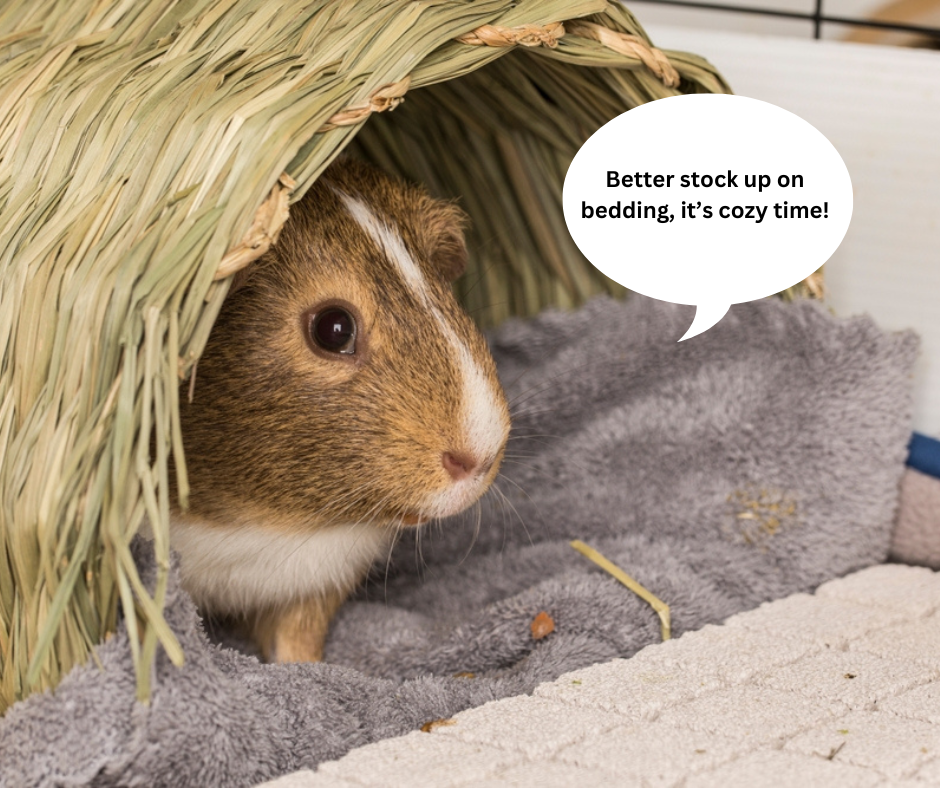
Housing, bedding, and cage placement tips
Small changes to the setup can boost warmth without risk.
Cage placement:
- Choose the warmest, driest room in the home.
- Keep the cage 6 inches off the floor.
- Avoid windows, exterior walls, AC vents, and door drafts.
Bedding and liners:
- Layer absorbent material under fleece to keep skin dry.
- Use deep paper or aspen bedding in cold rooms.
- Spot clean daily. Damp bedding chills fast.
Extra touches:
- Provide hideouts with a single entrance to hold warmth.
- Place a thick mat under the cage to insulate from cold floors.
- Check water bottles twice daily in cold weeks.
These steps let you handle what temperature is too cold for guinea pigs without risky heaters inside the cage.

Outdoor, garage, and travel cautions
Outdoors and garages are not safe in cold months for pet guinea pigs. Even if the air reads 55°F, wind and damp make it feel much colder. Sudden drops at night can be deadly.
If travel is needed:
- Pre-warm the car to near 70°F before loading.
- Use a lined carrier with a safe heat pad under half the floor.
- Cover the carrier with a light blanket, leaving the front clear for air.
- Never leave a pig in a parked car.
If a power outage hits and the home falls below what temperature is too cold for guinea pigs, move them to the warmest room and use body heat, wrapped heat pads, and extra bedding until power returns.

Winter checklist and emergency plan
A simple plan removes stress when the cold arrives.
Your checklist:
- Digital room thermometer near the cage
- Hygrometer to track humidity
- Extra bedding, fleece, and towels
- Two water bottles per cage
- Pet safe heat pads and covers
- Backup pellets and hay for one week
- Vet contact and emergency hours
Emergency warming steps:
- Bring pigs to the warmest room.
- Wrap a safe heat pad in a towel and warm half of the cage floor.
- Offer warm, not hot, water and fresh hay.
- Call a vet if your pig is cold, weak, or not eating.
Know your home’s cold spots. Tape a small ribbon near the cage to watch for drafts. If it moves, fix the draft. Staying ahead of what temperature is too cold for guinea pigs will save you worry and vet bills.

Monitoring tools that make winter easy
Good tools allow you to act before problems start.
What to use:
- A digital thermometer at pig height to read true cage area temperature
- A second thermometer near windows or doors to spot large swings
- A combined thermometer and hygrometer to track humidity
- An infrared thermometer to check bedding and hideout surface temps
Targets to aim for:
- Temperature: 65°F to 75°F
- Humidity: 40 to 70 percent
- No strong drafts at cage level
Log morning and night readings for a week when seasons change. You will learn how your home behaves and when you hit what temperature is too cold for guinea pigs in your space.
Frequently Asked Questions of what temperature is too cold for guinea pigs
What temperature is too cold for guinea pigs at night?
Below 60°F is too cold at night, and below 50°F is dangerous. Keep rooms steady between 65°F and 72°F.
Can guinea pigs live in a garage during winter?
No. Garages swing in temperature and are often damp and drafty. Both factors push you into what temperature is too cold for guinea pigs, even if a thermometer looks safe.
Do fleece liners keep guinea pigs warm enough?
Fleece helps only if the absorbent layer below stays dry. Pair fleece with deep bedding or safe heat pads when you approach what temperature is too cold for guinea pigs.
Is 62°F safe if there are no drafts?
Some pigs cope, but many will be stressed, especially babies and seniors. Watch behavior and add warmth, since 62°F is close to what temperature is too cold for guinea pigs.
How do I warm a cold guinea pig fast but safely?
Raise room temperature, offer a pet safe heat pad under half the cage, and provide dry bedding and hay. Seek a vet if the pig is lethargic or not eating.
Will more hay really help with cold?
Yes. Chewing and digesting hay produces heat and keeps the gut moving. It is a simple way to buffer against what temperature is too cold for guinea pigs.
How often should I check temperatures in winter?
Twice daily is best, morning and evening. Increase checks during storms or if your home tends to dip toward what temperature is too cold for guinea pigs.
Conclusion
Guinea pigs thrive in steady, mild warmth, and cold stress can sneak up fast. Use 65°F to 75°F as your safe zone, act at 60°F, and treat 50°F and below as dangerous. Layer dry bedding, block drafts, add safe heat sources, and watch behavior.
Take action today. Check your room temperature, upgrade bedding, and set a simple winter plan. If this guide helped, share it with another pig parent, subscribe for more care tips, or leave a question so I can help you tailor a setup for your home.