

Guinea pigs can eat cilantro, basil, dill, mint, parsley, thyme, and more.
Curious about what herbs do guinea pigs eat and how to serve them safely? I have cared for many Cavia porcellus over the years and tested countless herb mixes.
This guide explains what herbs do guinea pigs eat, why they help, how much to feed, and which to avoid. Read on to build a smart, safe herb plan that your guinea pigs will love.
Why herbs matter in a guinea pig diet?
Herbs add aroma, flavor, and key nutrients. They boost interest in fresh food and can support digestion. Some herbs offer vitamin C, which guinea pigs need daily because they cannot make it on their own. A little goes a long way.
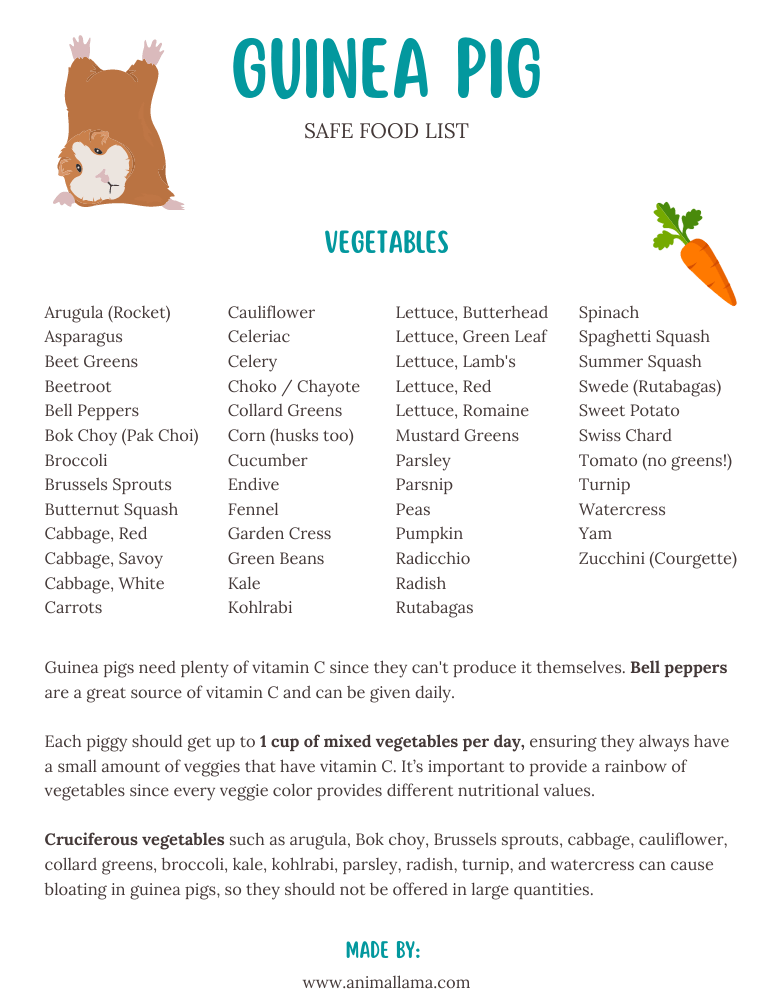
Your base diet stays the same. Give unlimited grass hay, a measured guinea pig pellet, and a cup of leafy greens each day. Herbs sit on top of that base as a small, tasty bonus. If you ever ask what herbs do guinea pigs eat, think of herbs as garnish, not the main meal.
In my work with rescues, timid pigs start to eat better when herbs are mixed into hay. The scent draws them in. It also helps shy pigs try new greens.

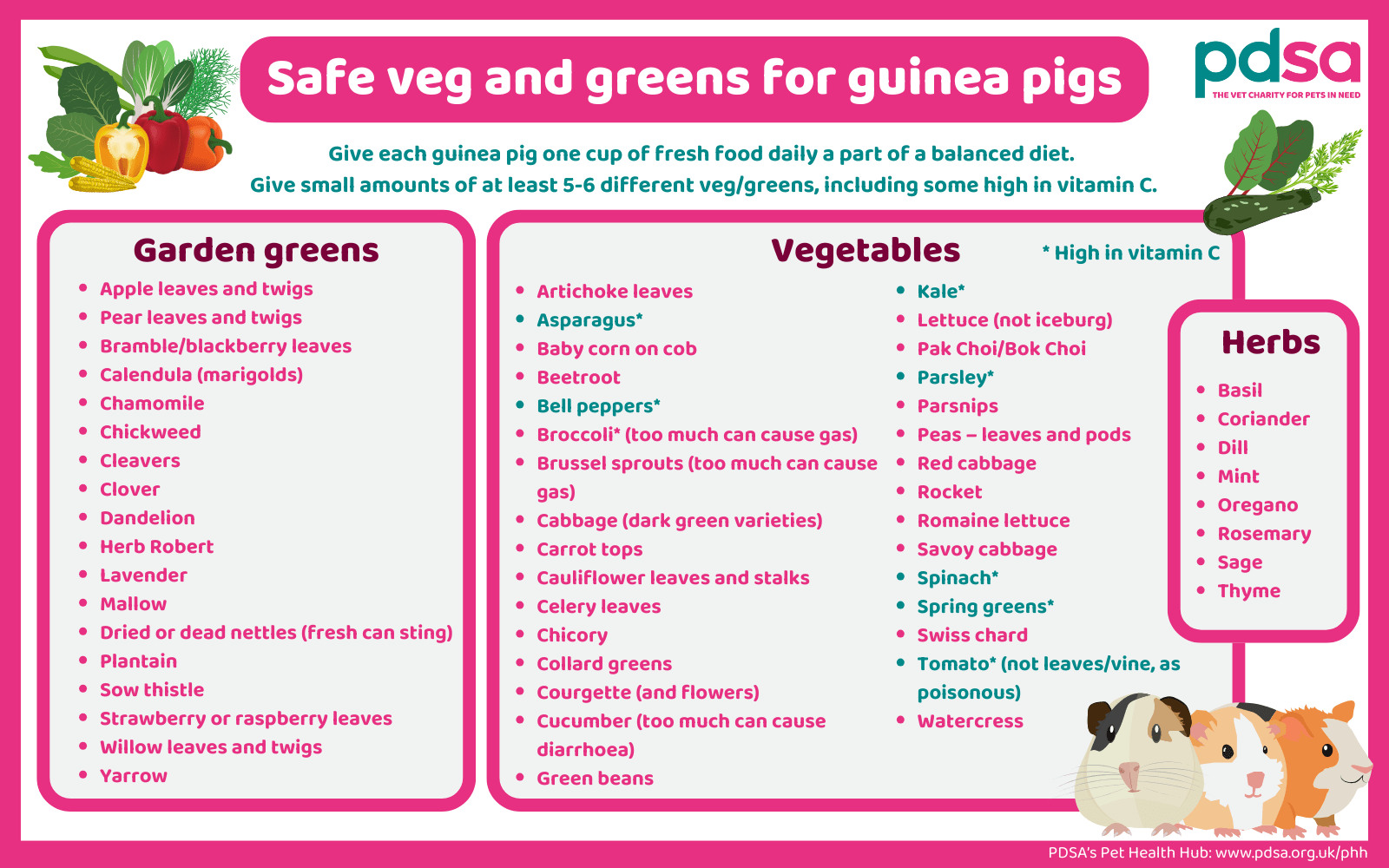
Safe list: what herbs do guinea pigs eat?
Here are safe, common choices. Rotate them. Wash well. Offer small amounts.
- Cilantro. A top pick for many pigs. Good source of vitamin C.
- Basil. Sweet and soft. Use green Genovese or Thai in small amounts.
- Dill. Fronds are gentle on tummies and boost appetite.
- Mint. Spearmint and peppermint are fine in tiny portions.
- Parsley. Curly or flat. Tasty but higher in calcium and oxalates. Use sparingly.
- Fennel fronds. Light anise flavor and good fiber.
- Thyme. Very aromatic and rich in vitamin C. Use a pinch.
- Oregano. Strong oils. Only a few leaves.
- Rosemary. Woody and strong. Tiny sprigs only.
- Sage. Potent oils. Occasional small leaf.
- Lemon balm. Calming scent. Nice for picky eaters.
- Chamomile. Fresh flowers and leaves are gentle. Offer a few.
- Calendula. Petals and leaves are mild and bright.
- Dandelion greens. Tasty but diuretic and higher in calcium. Rotate with care.
- Wheatgrass. Soft blades. Great enrichment.
When people search what herbs do guinea pigs eat, this list covers the most common, safe picks. Start with cilantro and dill, then test the rest one by one.

How to serve herbs the right way?
Small steps help prevent tummy upsets. Here is a simple process I use.
- Wash and pat dry. This reduces soil and farm chemicals.
- Introduce one herb at a time. Offer one or two leaves on day one.
- Watch for soft stool, gas, or refusal. If all is well, slowly increase.
- Mix herbs into hay. This encourages foraging and slows fast eaters.
- Cut large stems. Tender pieces are safer and easier to chew.
What herbs do guinea pigs eat safely? The ones you add slowly and in small, clean portions. Keep it simple and steady.
Nutrition notes and benefits by herb
Each herb brings a different job. Use variety to balance flavor and nutrition.
- Vitamin C support. Cilantro and thyme help meet daily needs.
- Digestive support. Dill and fennel fronds can ease gas.
- Appetite lift. Basil and mint add aroma that invites picky eaters.
- Antioxidant boost. Oregano and rosemary bring polyphenols, but go light due to strong oils.
- Calming scent. Lemon balm and chamomile can soothe stressed pigs.
I track how each pig responds. One senior boar did best with dill and cilantro every other day. Another pig thrived on basil and lemon balm. What herbs do guinea pigs eat best often depends on the pig and the season.
Herbs to avoid or limit
Some plants are risky for guinea pigs. Avoid anything from the onion family. Skip strong or toxic plants.
- Never feed. Chives, onions, garlic, leeks, scallions, rhubarb leaves, foxglove, pennyroyal.
- Limit due to strong oils. Oregano, rosemary, thyme, sage, mint. Offer tiny amounts.
- Be cautious. Wild plants you cannot identify. Roadside or lawn herbs treated with chemicals.
- Watch oxalates and calcium. Parsley and dandelion are fine as treats, not staples.
If you wonder what herbs do guinea pigs eat and what to avoid, remember this rule. When in doubt, leave it out and ask a small animal vet.
How much and how often to feed herbs?
Portion size matters. Herbs are accents, not the main course.
- Daily base. Unlimited hay, fresh water, and a measured pellet.
- Veggies. About one cup of mixed leafy greens per pig per day.
- Herbs. One to two tablespoons chopped herbs per pig per day, max. You can also feed a few sprigs three to four times per week if your greens already have variety.
- Rotate. Change herbs across the week. Variety reduces mineral overload.
What herbs do guinea pigs eat without issues? The ones fed in tiny, steady amounts. Keep notes on what you offer and how your pigs respond.
Growing and sourcing herbs safely
Home grown herbs are fresh and safe when handled well. I grow pots by a sunny window and snip as needed.
- Use clean soil and chemical free seeds or starts.
- Rinse leaves, even when home grown.
- Harvest young, tender growth. It is easier to chew.
- Store in the fridge in a breathable bag with a dry paper towel.
- Buy organic when you can. Ask the store about any sprays used.
People who ask what herbs do guinea pigs eat also ask where to buy them. Local farmers markets can be great when you ask about spray history.

Signs your piggy is not tolerating a herb
Watch your pig after new foods. Early signs tell you to stop and review.
- Soft stool or diarrhea within 24 hours.
- Gassy belly, less poop, or a hunched posture.
- Drooling, mouth rubbing, or refusing food.
- Lethargy or loud teeth grinding.
If any sign appears, stop the new herb. Offer hay and water. If signs last, call a small animal vet. What herbs do guinea pigs eat is key, but how they react is most important.

A simple weekly herb rotation plan
Here is a gentle plan that has worked for many of my pigs. Adjust for your pig’s needs.
- Monday. Cilantro plus romaine and bell pepper.
- Tuesday. Dill fronds with green leaf lettuce.
- Wednesday. Basil with cucumber slices.
- Thursday. Mint leaf and extra hay for foraging.
- Friday. Thyme pinch with red leaf lettuce.
- Saturday. Fennel fronds and carrot top small piece.
- Sunday. Lemon balm with escarole.
This plan fits well with what herbs do guinea pigs eat safely. Keep portions small and rotate to spread nutrients.
Frequently Asked Questions of what herbs do guinea pigs eat
Can guinea pigs eat parsley every day?
Parsley is tasty but high in calcium and oxalates. Offer it once or twice a week in small amounts.
Is mint safe for guinea pigs?
Yes, spearmint and peppermint are safe in tiny portions. Too much can upset the stomach due to strong oils.
Which herbs are highest in vitamin C?
Cilantro and thyme are standouts for vitamin C. Use thyme sparingly because it is very aromatic.
Are dried herbs okay?
Fresh is best because it has more water and scent. You can use a tiny pinch of dried herbs, but watch for dust and strong oils.
What herbs should guinea pigs avoid?
Avoid all alliums such as chives, onions, and garlic. Also avoid rhubarb leaves, pennyroyal, and any plant you cannot identify.
How do I introduce a new herb?
Add one new herb at a time and offer a small leaf. Watch for changes in poop, appetite, or energy for a day.
Can baby guinea pigs eat herbs?
Yes, but start very small and go slow. Focus on hay first, then mild herbs like cilantro or dill.
Conclusion
A smart herb plan adds flavor, fun, and key nutrients to your guinea pig’s routine. Start with safe picks like cilantro, dill, and basil, then rotate in others with care. Keep portions small, watch your pigs, and adjust as needed.
Use this guide to plan what herbs do guinea pigs eat in your home. Try one new herb this week, take notes, and build your own safe rotation. If you found this useful, share it, subscribe for more small pet care guides, or leave a comment with your pig’s favorite herb.