

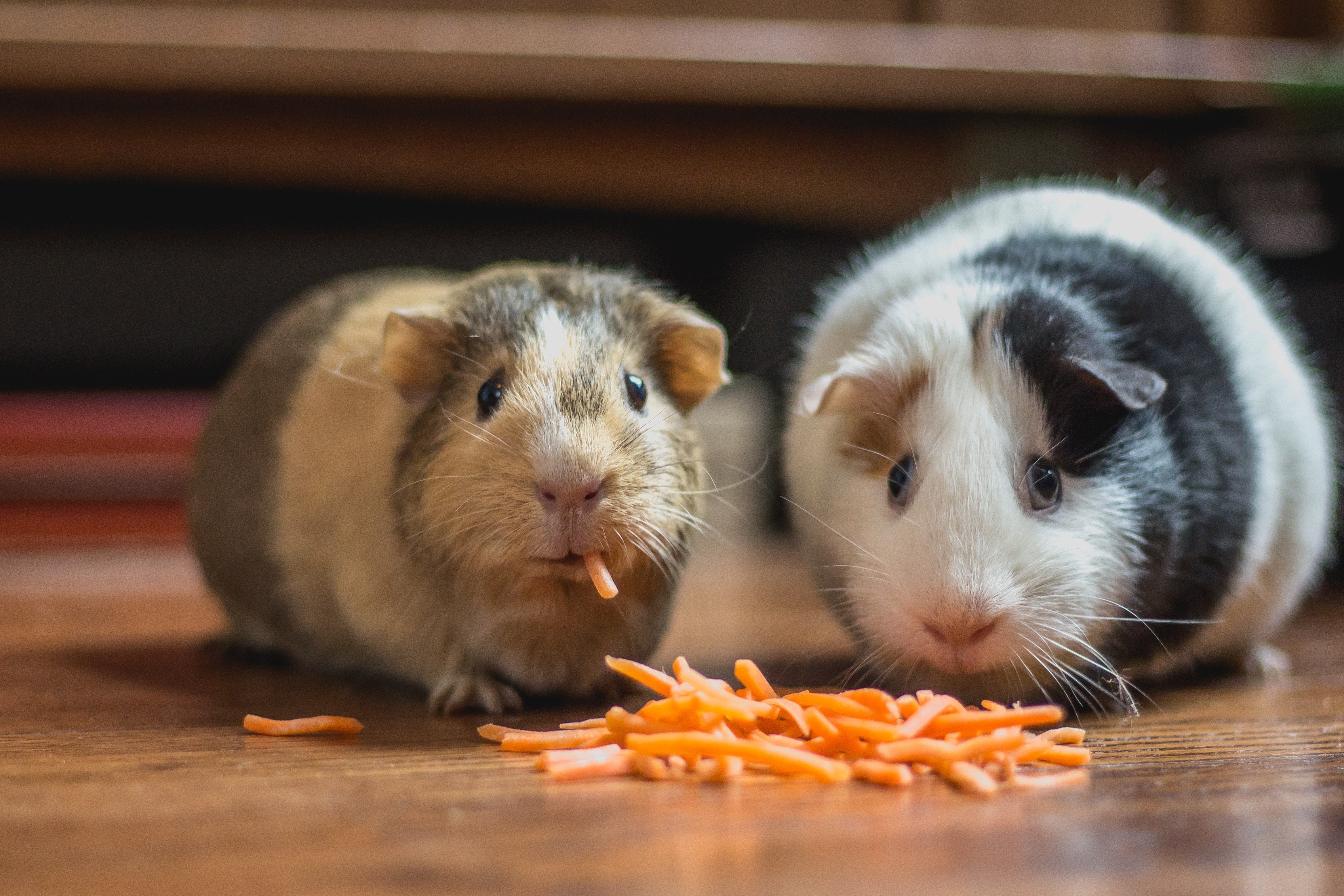
Yes, guinea pigs can eat carrots, but only in small, occasional portions.
Curious pet parents often ask can guinea pigs eat carrots because these bright roots seem like a perfect snack. As a small pet care writer and long-time guinea pig keeper, I can help you use carrots the right way.
This guide explains benefits, risks, serving sizes, and smart swaps, so you can keep your pig healthy and happy without guesswork.
What Makes Carrots Safe or Risky for Guinea Pigs
Carrots are safe for most healthy guinea pigs in small amounts. They bring flavor, color, and variety. But they are not a daily staple. Think of them as treats, not a core food.
Here is what carrots offer:
- Beta-carotene, which the body uses to make vitamin A.
- Fiber that can support gut health.
- A sweet taste that many pigs love, which helps with training.
Here is what carrots lack and why that matters:
- No reliable vitamin C, which guinea pigs must get every day. They cannot make it on their own.
- More sugar than leafy greens, which can lead to weight gain and soft stools.
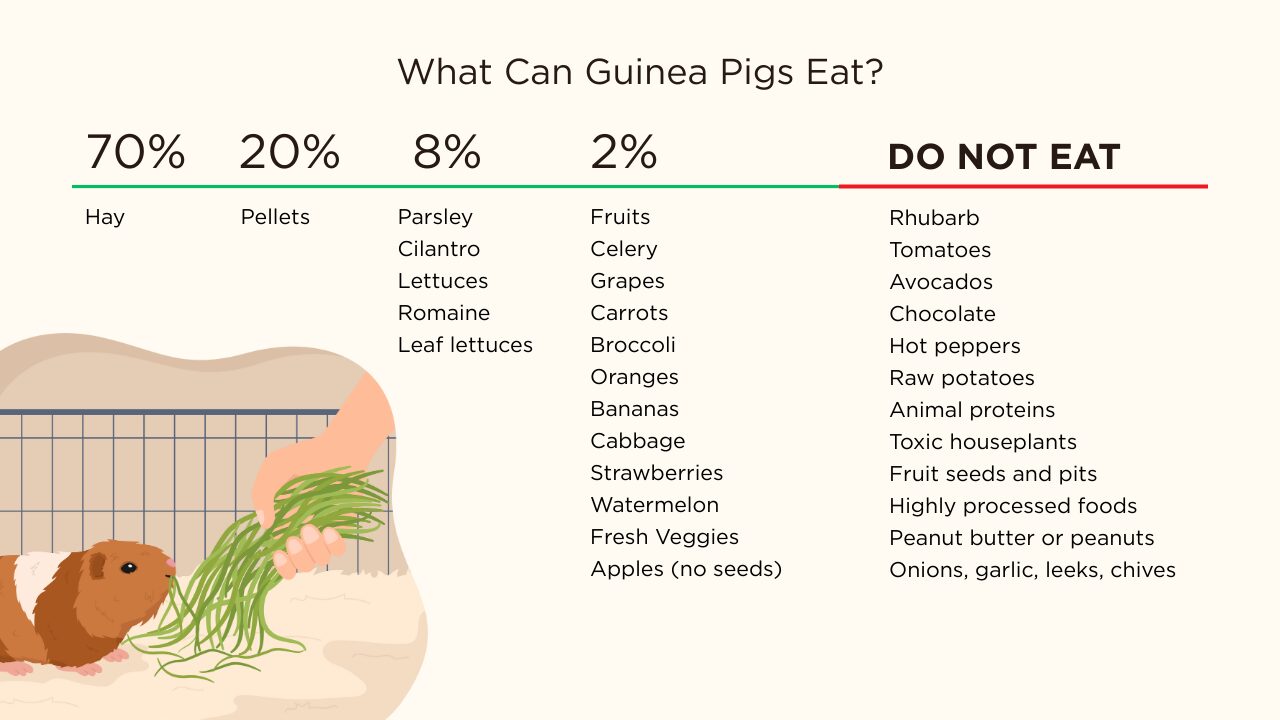
Veterinary feeding guidelines place hay at the center of the diet. Pellets and vitamin C-rich greens come next. Sweet veggies, like carrots, sit at the top as treats. If you came here asking can guinea pigs eat carrots, the short answer is yes, with limits. The long answer is about balance, and this article will show you how to do it right.
Benefits of Carrots in a Guinea Pig Diet
Carrots can support a healthy routine when used with care. They are fun and useful in small servings.
Key benefits include:
- Enrichment: Crunchy texture encourages natural chewing and foraging.
- Dental use: Firm bites help wear teeth, though hay still does the heavy lifting.
- Training: A tiny carrot slice can reward nail trims or scale time.
- Color and variety: A small pop of orange adds interest to the veggie mix.
These are valid reasons to ask can guinea pigs eat carrots as part of a weekly plan. The trick is to keep portions small and infrequent.

Risks to Watch and Who Should Avoid Carrots
Carrots carry some risks when overused. Most issues come from sugar and from feeding too much, too often.
Watch for:
- Digestive upset: Loose stools, gas, or a noisy belly after carrot days.
- Weight gain: A steady stream of sweet snacks adds up.
- Urinary concerns: Carrot roots are moderate in calcium, but the tops are higher. Sensitive pigs may be affected.
- Pesticide residue: Wash well. Peel if you cannot source clean produce.
Avoid carrots or limit more if your pig:
- Has a history of bladder stones or grit.
- Is overweight or tends to gain fast.
- Shows soft stool after sweet veggies.
When owners ask can guinea pigs eat carrots every day, I advise against it. Weekly treats are safer and still satisfying.

How Much and How Often to Feed Carrots?
Portion control keeps treats in the safe zone. Small, measured servings work best.
Use these simple rules:
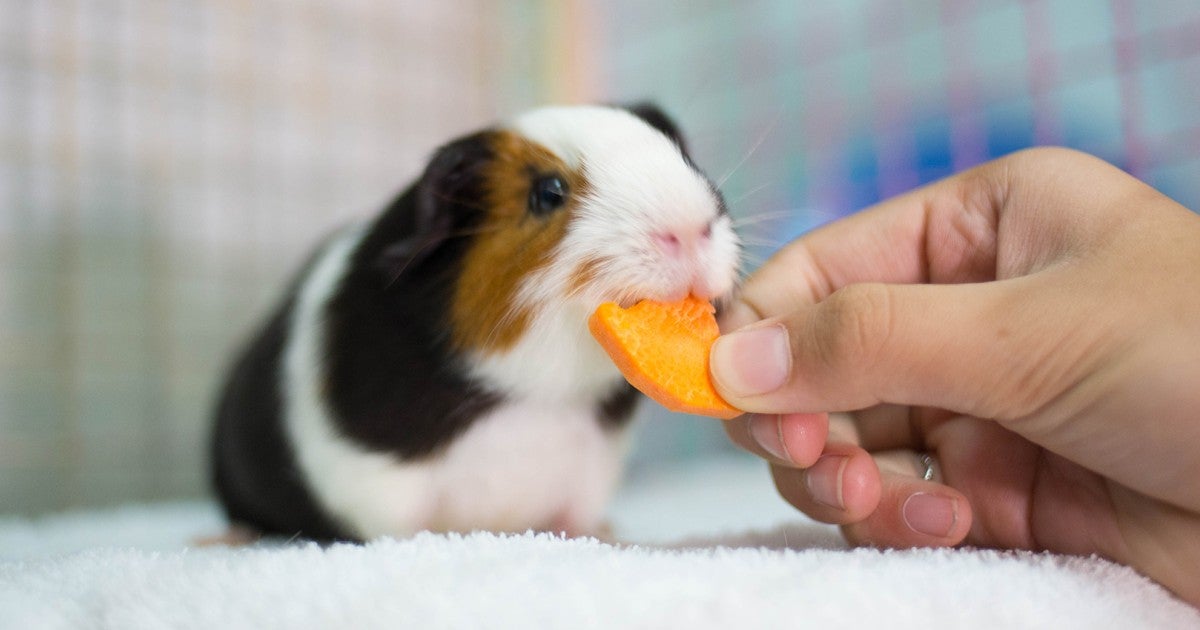
- Serving size: 1 to 2 thin carrot coins or matchsticks per pig (about 5 to 10 grams).
- Frequency: 2 to 3 times per week at most, not on back-to-back days.
- Group feeding: Give each pig its own piece to prevent squabbles.
A sample weekly plan:
- Monday: Bell pepper and romaine.
- Wednesday: A small carrot slice plus cilantro.
- Friday: Bell pepper and a leafy mix.
- Sunday: Rest day or a non-sweet green.
This schedule answers can guinea pigs eat carrots without risking daily sugar. It builds routine and reduces tummy trouble.
The Right Way to Prepare and Serve Carrots
Good prep makes carrots safer and easier to digest. It also helps you watch portions.
Follow these steps:
- Wash well under running water. Peel if needed to reduce residue.
- Cut into thin coins, half-moons, or matchsticks to avoid choking.
- Serve at room temperature. Cold produce can upset the stomach.
- Pair with hay. The fiber helps balance sugar.
- Introduce slowly. Start with a single thin slice. Watch droppings and mood.
Make the moment engaging:
- Hand-feed to build trust.
- Scatter a few tiny pieces in hay to encourage foraging.
Can guinea pigs eat carrot tops?
Yes, carrot tops are safe in small portions. They are higher in calcium than the root, so offer a small handful once or twice per week. Rotate with low-calcium greens if your pig is stone-prone.
Baby carrots vs whole carrots
Both are fine. Baby carrots may be rinsed in solutions during processing, so wash them well. Whole carrots tend to be fresher; you control the cut and thickness.
Smarter Swaps: Vitamin C-Rich Veggies Your Pig Needs
Carrots cannot meet your pig’s daily vitamin C needs. Adult guinea pigs need roughly 20 to 30 mg of vitamin C each day from food.
Better vitamin C sources include:
- Bell peppers of any color
- Cilantro
- Parsley in small amounts if calcium is a concern
- Kale and broccoli in small, occasional portions
- Romaine or green leaf lettuce as base greens
Diet basics to remember:
- Hay should be 80% of the diet. It is vital for teeth and gut.
- Choose a plain, timothy-based pellet fortified with vitamin C.
- Offer fresh water at all times.
A simple daily plate:
- A mix of leafy greens.
- A chunk of bell pepper for vitamin C.
- Pellets in measured amounts.
- Hay always available.
- Carrot as a tiny treat on select days.
When readers ask can guinea pigs eat carrots for vitamin C, the answer is no. Use peppers and greens for vitamin C, and keep carrots for fun.

Signs Carrots Are Not Agreeing With Your Guinea Pig
Every pig is different. Some handle carrots well; others do not.
Watch for:
- Soft or wet droppings
- Bloating, less appetite, or hunching
- Lethargy or less interest in food
- Straining to urinate or squeaks when peeing
If you see these signs:
- Stop carrots and other sweet foods for a week.
- Feed only hay and water until stools normalize.
- Call your vet if symptoms last more than 24 hours or your pig seems in pain.
People ask me can guinea pigs eat carrots if the poop gets soft. My advice is to pause, reset with hay, and reintroduce later in a much smaller amount.
Field Notes From the Cage: Practical Tips and Mistakes to Avoid
I have kept and fostered guinea pigs for years. Carrots helped me bond with shy pigs. A single matchstick during scale time turned a tense moment into a calm one.
Lessons learned:
- Smaller is better. I once gave half a baby carrot daily to a new boar. His droppings softened within days. Cutting back solved it.
- Rotate greens. Do not let carrots crowd out vitamin C veggies.
- Keep a food diary. Track what you fed and how your pig reacted.
- Store pellets well. Vitamin C breaks down in heat, light, and air. Use fresh bags and seal them tight.
- Wash produce every time. Simple steps prevent many problems.
When folks repeat can guinea pigs eat carrots without issues, I say yes, but your pig sets the limit. Observe, adjust, and keep treats tiny.
Frequently Asked Questions of can guinea pigs eat carrots
How often can guinea pigs eat carrots?
Offer carrots 2 to 3 times per week at most. Keep each serving very small to avoid sugar overload.
Are carrot tops safer than the root?
Carrot tops are safe but higher in calcium. Serve a small handful once or twice per week if your pig has no urinary issues.
Can guinea pigs eat carrots every day?
Daily carrots are not advised. The sugar can upset the gut and add extra calories over time.
Do carrots provide vitamin C for guinea pigs?
No, carrots are not a good vitamin C source. Use bell peppers and other greens to meet daily needs.
How much carrot is safe per serving?
Give 1 to 2 thin slices or matchsticks per pig, about 5 to 10 grams. Watch droppings and adjust if you see soft stool.
Are baby carrots okay for guinea pigs?
Yes, but wash them well. Baby carrots are convenient, yet they can be less fresh than whole carrots.
Can a guinea pig with bladder stones eat carrots?
Speak with your vet first. Limit high-calcium foods and use carrot root sparingly, avoiding large amounts of tops.
Conclusion
Carrots can be a bright, tasty treat for healthy pigs when used with care. Keep servings tiny, limit them to a few times per week, and focus the rest of the diet on hay, pellets, and vitamin C-rich greens.
If you ever wonder can guinea pigs eat carrots as part of a balanced plan, the answer is yes just keep the spotlight on hay and peppers, not sugar.
Try the serving guide this week, track your pig’s response, and tweak portions as needed. Want more practical pet tips? Subscribe, share your questions, or leave a comment with your pig’s favorite veggie.